
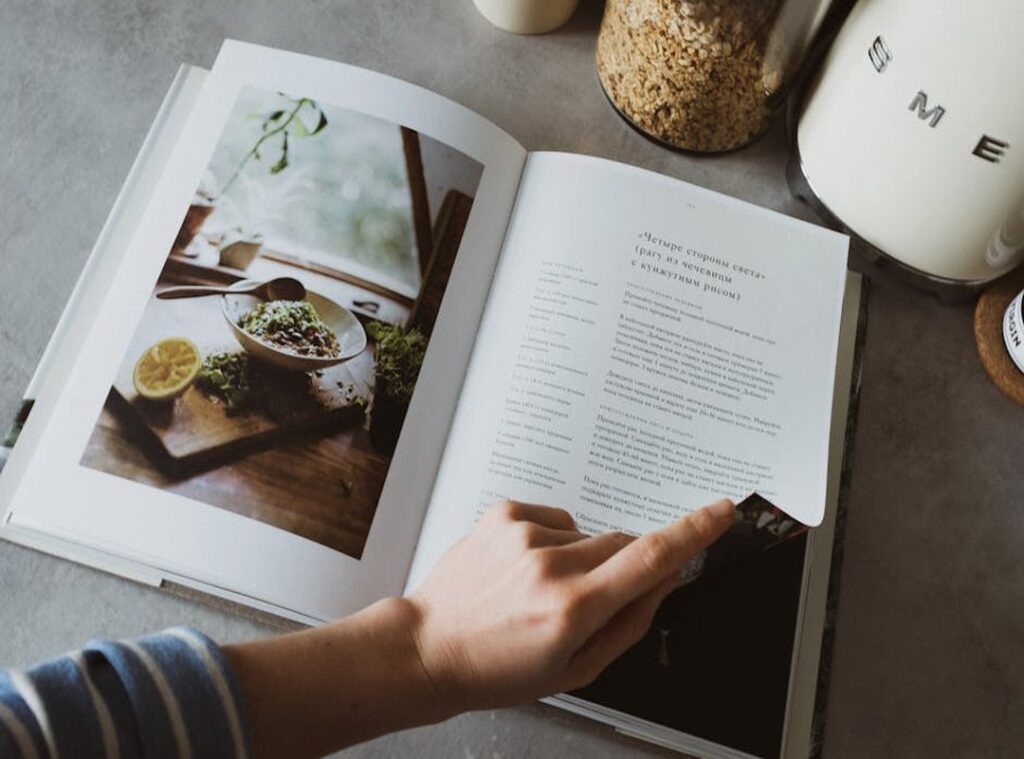
You followed the recipe exactly.
And still burned the garlic.
Or worse (you) stood there holding a measuring cup, wondering if “a knob of butter” means one finger or three.
I’ve been there. More times than I’ll admit.
How to Read a Cooking Recipe Fhthrecipe isn’t about memorizing terms. It’s about seeing what the writer actually expects you to do.
Most guides skip the part where recipes lie. (They say “simmer gently” but mean “don’t let it bubble at all.”)
I’ve taught dozens of people how to read recipes like a chef reads a map. Not word by word, but for intent, rhythm, and warning signs.
No jargon. No fluff. Just what works.
By the end, you’ll open any recipe and know where to look first. What to ignore. When to trust your gut instead of the clock.
This is how cooking stops being a test (and) starts feeling like yours.
Read the Recipe. Then Read It Again.
I do not start cooking until I’ve read the whole thing. Top to bottom. Every word.
You’re not going to wing this. Not if you want dinner ready on time and not burned to charcoal.
Think of it like checking Google Maps before a road trip. You wouldn’t get in the car and just hope the exit exists.
Same thing here.
Before you touch a knife or turn on a burner, scan for: total time, how much of that is you doing something, what gear you’ll need, and whether you actually own it.
Oh. And check the ingredient list. Right now.
Because yes, you will realize halfway through that you’re missing fish sauce. Or a cast-iron skillet. Or patience.
This is where Mise en Place comes in.
It’s French for “everything in its place.” Which means: chop, measure, prep, and line up all your ingredients before heat hits the pan.
No exceptions.
Here’s what that looks like for a basic stir-fry:
- Chop all vegetables
- Measure spices into one small bowl
That’s it. No drama. Just readiness.
This guide walks through How to Read a Cooking Recipe Fhthrecipe step by step (no) fluff, no jargon.
I’ve ruined three dinners trying to skip this part.
You don’t have to.
Read first. Cook second.
Always.
Cracking the Code: A Cooking Glossary That Doesn’t Suck
You open a recipe. You see “julienne” or “fold.” You pause. You scroll back up.
You wonder if you missed a cooking school memo.
I’ve been there. More times than I’ll admit.
This isn’t about memorizing fancy words. It’s about knowing what actually changes the dish.
Diced means small, even cubes (usually) 1/4 inch. Not “kinda small.” Not “whatever fits.” 1/4 inch. Why?
Because it ensures even cooking. Try dicing onions too big for a stir-fry and tell me how that went.
Minced is smaller. Like, barely visible small. Garlic.
Shallots. Herbs. You’re aiming for paste-level texture (not) chunks.
Julienne? Thin matchsticks. Think carrots for a salad or bell peppers for fajitas.
Not shreds. Not ribbons. Strips.
Sauté means hot pan, little fat, quick cook. Stirring often. Not boiling.
Not steaming. Not waiting.
Sear is high heat, no stirring, just browning. You want color. You want flavor.
You want that crust. Don’t move it until it releases.
Braise starts with sear (then) liquid, low heat, long time. It’s how tough cuts become tender. It’s not “simmering soup.” It’s transforming meat.
Fold is gentle. You’re not mixing. You’re lifting and turning.
Think egg whites into batter. If you stir, you kill the air. And the fluff.
Cream means beat butter and sugar until pale and airy. Not just combined. Not just soft. Light and fluffy. That’s where volume comes from.
Whisk is fast. Purposeful. Air goes in.
Lumps go out. It’s not stirring. It’s aerating.
How to Read a Cooking Recipe Fhthrecipe starts here. With knowing what the words do, not what they sound like.
Pro tip: When a recipe says “mince,” grab the smallest knife you own. Not the food processor. Not unless it’s specified.
You lose control.
Some people say “dice” and “chop” are interchangeable. They’re not. Chop is rough.
Dice is precise.
And if a recipe says “fold in,” and you’re dumping and stirring? Stop. Just stop.
You’ll taste the difference.
I promise.
Measurements Matter: Spoon, Level, Repeat
I measure flour wrong all the time. So did you (until) today.
Liquid measuring cups have spouts. Dry ones don’t. That’s not trivia.
It’s why your muffins sink or your cookies spread like they’re fleeing the pan.
Scooping flour straight from the bag packs it down. You’ll add up to 30% more than the recipe wants. That’s not a tweak.
That’s a disaster.
I wrote more about this in this guide.
Here’s what I do instead:
Spoon flour into the dry cup. Lightly, no tapping. Then sweep the top clean with a knife or spatula.
That’s it. No drama. Just level.
Weight beats volume every time. A cup of flour can weigh anywhere from 120g to 160g depending on how you scoop. But 125g is always 125g.
Most American recipes still use cups though. So we adapt.
You need to know this before you even open the recipe. Especially if you’re trying to figure out How to Read a Cooking Recipe Fhthrecipe. Because misreading “1 cup flour” as “1 cup packed flour” ruins everything.
The Healthy snack infoguide fhthrecipe has a quick-reference cheat sheet for common swaps. I keep it open while prepping afternoon snacks (yes, even the kale chips).
Here’s what sticks in my head:
| 3 teaspoons | = 1 tablespoon |
| 4 tablespoons | = 1/4 cup |
| 16 tablespoons | = 1 cup |
Pro tip: Buy a $10 kitchen scale. Use it for anything that matters (flour,) sugar, nuts, even chocolate chips.
Baking isn’t magic. It’s math with butter.
And if your last cake tasted like disappointment? Start here. Not there. Here.
Beyond the Clock: Your Eyes, Ears, and Fingers Know Best
Recipes lie. Not on purpose. But oven temps wobble, pans conduct heat differently, and that chicken breast?
It’s never the same size twice.
So stop staring at the clock. Start watching, listening, and touching.
Golden brown means the Maillard reaction is firing. That’s flavor building, not just color.
A steady sizzle? That’s moisture evaporating and browning kicking in.
Fork-tender isn’t vague. It’s when resistance gives way cleanly, no pushback.
You’ve done this before. You know what “done” looks like in your kitchen.
That’s why How to Read a Cooking Recipe Fhthrecipe isn’t about memorizing times. It’s about trusting your senses first.
Try it with the this article. Blend until creamy (not) “for 45 seconds.” Hear the motor drop pitch? That’s your cue.
Your Next Delicious Meal Awaits
I’ve been there. Staring at a recipe like it’s written in code.
You’re not bad at cooking. You’re just working with bad habits.
Reading ahead changes everything. Measuring matters. Your eyes, nose, and fingers know more than you think.
Every chef you admire started right where you are now (confused,) hesitant, holding a wooden spoon like a weapon.
How to Read a Cooking Recipe Fhthrecipe fixes that.
No more panic when “fold in gently” appears. No more guessing what “medium-low” really means.
This week, pick one simple recipe. Read it all the way through. Yes, even the notes.
Set up your mise en place. Then cook.
Not perfectly. Confidently.
You’ll taste the difference immediately.
And if you second-guess yourself? That’s normal. Do it anyway.
Your turn.
Go cook something real.

 Thomason Perezanier is the kind of writer who genuinely cannot publish something without checking it twice. Maybe three times. They came to culinary pulse through years of hands-on work rather than theory, which means the things they writes about — Culinary Pulse, Cooking Hacks and Kitchen Tricks, Regional Taste Deep Dives, among other areas — are things they has actually tested, questioned, and revised opinions on more than once.
That shows in the work. Thomason's pieces tend to go a level deeper than most. Not in a way that becomes unreadable, but in a way that makes you realize you'd been missing something important. They has a habit of finding the detail that everybody else glosses over and making it the center of the story — which sounds simple, but takes a rare combination of curiosity and patience to pull off consistently. The writing never feels rushed. It feels like someone who sat with the subject long enough to actually understand it.
Outside of specific topics, what Thomason cares about most is whether the reader walks away with something useful. Not impressed. Not entertained. Useful. That's a harder bar to clear than it sounds, and they clears it more often than not — which is why readers tend to remember Thomason's articles long after they've forgotten the headline.
Thomason Perezanier is the kind of writer who genuinely cannot publish something without checking it twice. Maybe three times. They came to culinary pulse through years of hands-on work rather than theory, which means the things they writes about — Culinary Pulse, Cooking Hacks and Kitchen Tricks, Regional Taste Deep Dives, among other areas — are things they has actually tested, questioned, and revised opinions on more than once.
That shows in the work. Thomason's pieces tend to go a level deeper than most. Not in a way that becomes unreadable, but in a way that makes you realize you'd been missing something important. They has a habit of finding the detail that everybody else glosses over and making it the center of the story — which sounds simple, but takes a rare combination of curiosity and patience to pull off consistently. The writing never feels rushed. It feels like someone who sat with the subject long enough to actually understand it.
Outside of specific topics, what Thomason cares about most is whether the reader walks away with something useful. Not impressed. Not entertained. Useful. That's a harder bar to clear than it sounds, and they clears it more often than not — which is why readers tend to remember Thomason's articles long after they've forgotten the headline.