The kitchen’s alive. Toasted chiles, warm spices, simmering chocolate. It’s all there, wrapping you up in a rich, aromatic hug.
You might think mole is just a chocolate-based sauce. That’s the myth, right? But it’s so much more.
This dish is a Mexican mole cultural symbol. It’s a mix made of flavors, each telling a story of history, family, and identity. I’ve wandered through countless kitchens across the globe, but few dishes hold a candle to the complexity and depth of mole.
Why trust me? I’ve spent years diving into the world’s most iconic dishes. Mole stands out every time.
This article will dig deep, uncovering the cultural significance of mole. You won’t just get a recipe here. You’ll gain an appreciation for how this dish connects families and tells tales of a nation.
By the end, you’ll see why it’s not just dinner. It’s a cultural emblem.
More Than Just Sauce: The Heart of Mole
Mole. A word that rolls off the tongue as smoothly as the sauce itself. But here’s the thing: it’s much more than just a sauce.
Originating from the Nahuatl word “mōlli,” it simply means “sauce” or “concoction.” Yet, the true essence of mole defies simplicity. It’s a masterful blend of 20-30 ingredients, sometimes more. Chiles, fruits, nuts, seeds, and spices all come together to create something extraordinary.
Now, let’s talk about why this isn’t just cooking; it’s a labor of love. Making mole is an act of devotion. Toasting, grinding (usually done on a metate), and slow-simmering for hours.
Or days. This isn’t a chore. It’s a ritual.
A true expression of care.
But what makes mole a Mexican mole cultural symbol? It’s all in the blend. This sauce embodies “mestizaje,” the fusion of indigenous and European cultures.
Chiles, tomatoes, and chocolate meet European spices, nuts, and bread. It’s a culinary symphony that defines modern Mexico. This is why mole holds such an emblematic status.
And if you think about it, there’s a parallel in other cuisines. Take the history Italian pasta for example. It’s another dish that represents cultural fusion and history, much like mole.
In the end, mole is more than the sum of its parts. It’s a cultural touchstone, a dish that tells the story of a nation. When you taste it, you’re tasting history.
You’re tasting love. And really, isn’t that what food is about?
A Flavor Odyssey: Mole’s Regional Soul
When I think of Mexican cuisine, mole stands out like a culinary masterpiece. It’s not just food. It’s history, culture, and artistry on a plate.
Have you ever tasted something that tells a story? Mole does that in spades.
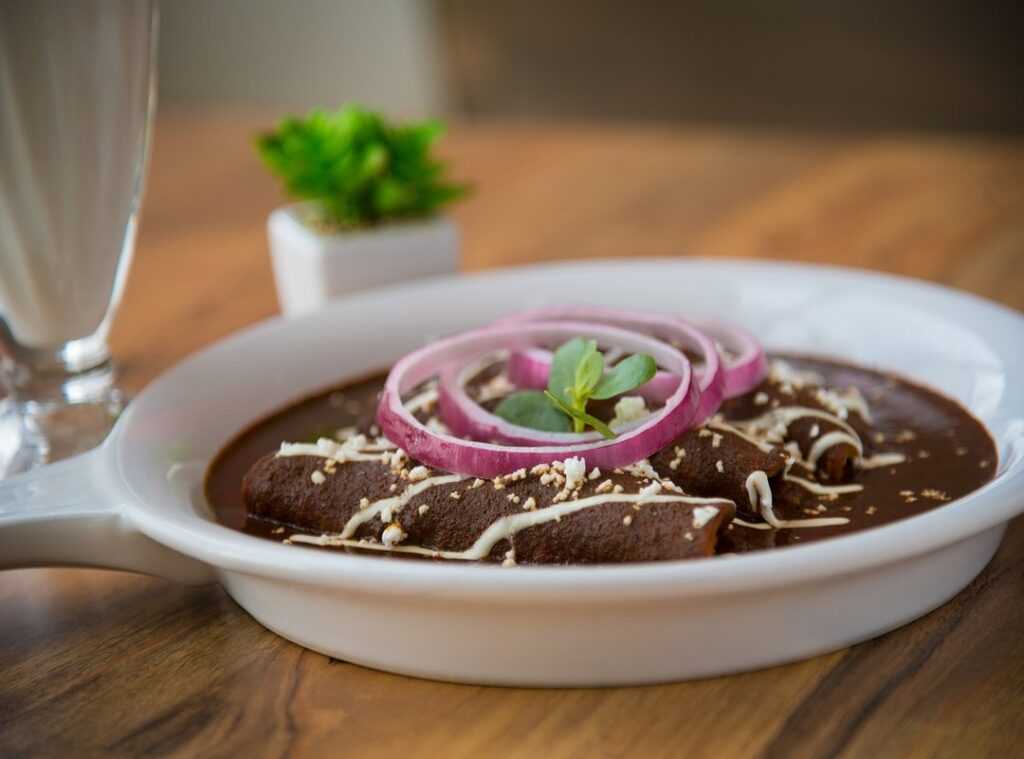
Let’s start in Oaxaca, known as “The Land of the Seven Moles.” Here, Mole Negro reigns supreme. Its black hue and velvety texture are unmistakable. It’s smoky, savory, slightly sweet, and unmistakably earthy.
That’s a mouthful (literally) just describing it. This isn’t just a dish, it’s an experience. You can almost taste the centuries of tradition in every bite.
But wait, there’s more to this mole journey. Head to Puebla and you’ll find Mole Poblano. It’s the most internationally recognized mole, and for good reason.
With its rich, red-brown color, it strikes a perfect balance between sweet and spicy. Chocolate plays a surprising role here, mingling with ancho and mulato chiles. There’s a charming tale of its creation by nuns in a convent.
True or not, it adds to the mystique of this dish.
Now, let’s switch gears to Mole Verde. Its lively green hue is a feast for the eyes before it even touches your tongue. This mole is alive with freshness, thanks to tomatillos, jalapeños, and pepitas (pumpkin seeds).
It’s bright and herbaceous, showcasing a completely different side of mole. You see, mole isn’t one-note. It’s a symphony.
Of course, there’s more to explore. Mole Amarillo and Mole Coloradito also deserve mention. With so many varieties, it’s clear that mole is a mexican mole cultural symbol reflecting regional diversity.
It’s as complex and varied as Mexico itself. Let your taste buds travel, and you’ll see what I mean.
Mole: The Soul of Mexican Celebrations
Mole isn’t just food. It’s a Mexican mole cultural symbol. It’s the heartbeat of our fiestas.
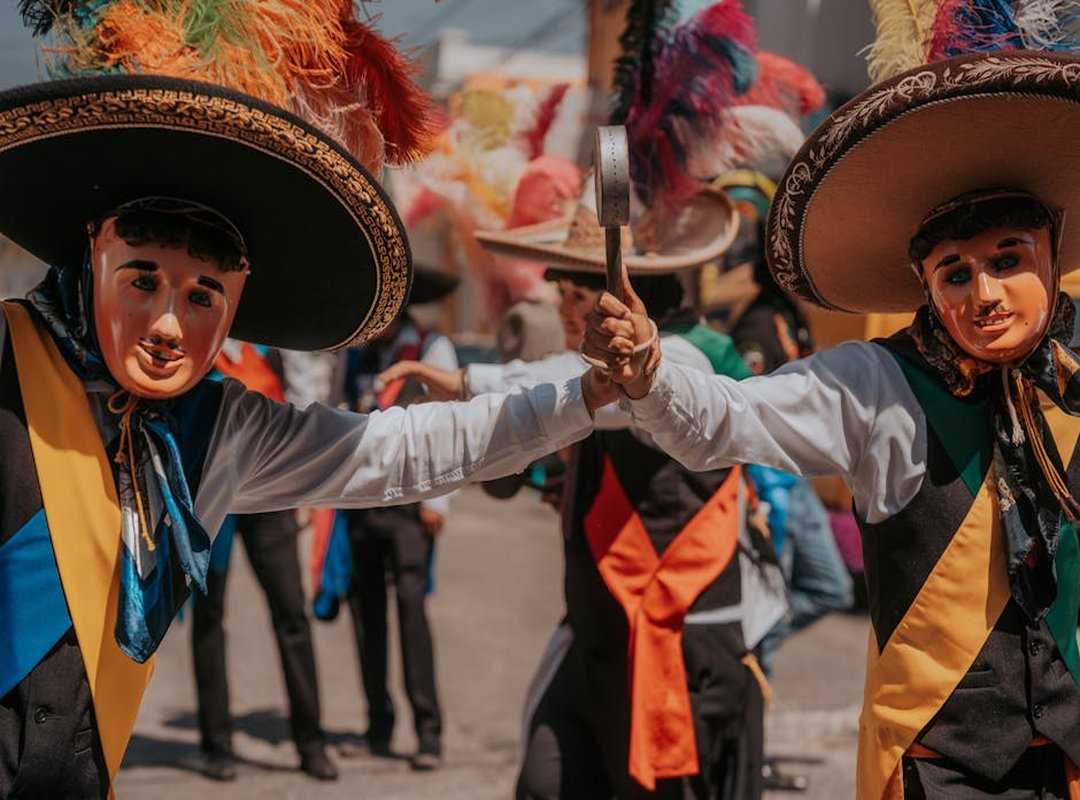
You can’t have a wedding, baptism, or quinceañera without it. Forget Day of the Dead or Christmas without mole. It’s like having a birthday without cake.
Mole is the dish that makes a celebration a celebration.
But why is mole so key? It’s not just the taste (though that’s incredible). It’s the whole process.
Making mole is a communal act. Picture this: aunts, grandmothers, and neighbors all gathered in the kitchen. Everyone has a role.
Someone toasts the chiles, another grinds the spices, and someone else stirs the pot. It’s like a dance (synchronized) and beautiful. The preparation is as important as the meal itself.
We share stories, laugh, and bond over the bubbling pots.
Serving mole is an honor. When you serve mole, you’re saying, “I respect you.” It’s a sign of generosity. Only the best for your guests.
It’s a way of showcasing love and hospitality. It’s like rolling out the red carpet.
And let’s not forget, mole’s role in society isn’t unique. Many cultures have their own rituals. Take traditional Japanese tea ceremonies for example.
They too celebrate through careful preparation and shared experience. Mole is our way of showing care. It’s a delicious symbol of status and community.
So next time you see a simmering pot of mole, remember. It’s more than just a dish. It’s a cultural heartbeat.
Mole: A Taste of History and Culture
Mole is a Mexican mole cultural symbol. Its roots run deep, way back to pre-Hispanic Mexico. Imagine the Aztecs, with their chiles, tomatoes, and ground seeds, concocting sauces that set the stage for what we savor today.
Then the Spanish arrived. And everything changed. They brought onions, garlic, cinnamon, cloves, almonds.
These new ingredients transformed the ancient “mōlli” into something richer, more complex. A culinary evolution, if you will.
But mole isn’t just about ingredients. It’s about stories, memories, families. Every family has its secret mole recipe.
Passed down through whispers, not written words. These recipes. Heirlooms, really (carry) unique touches from each generation.
And let’s not forget its modern relevance. Chefs today (bless their creative hearts) are busy deconstructing and reinterpreting mole. They’re keeping the legacy alive, honoring its sacred roots while adding their own flair.
What’s the lesson here? Tradition matters. But so does evolution.
Mole shows us how history and innovation can blend into something truly delicious.
Pro tip: Next time you taste mole, think about the centuries simmered into that sauce. It’s not just food. It’s a journey through time.
Taste History, Not Just Chocolate
Mole isn’t just food. It’s history on a plate. You’ve discovered that Mexican mole cultural symbol stands for a narrative richer than any chocolate sauce.
Not just a dish but a celebration of heritage, community, and identity.
Now, what will you do with this newfound respect? Don’t just read about it, go experience it. Head to a traditional restaurant or plan your next culinary adventure.
Taste the story. Dive deeper into culinary traditions with us. Let your palate explore and appreciate the depth of flavors and history.
Ready to savor the rich tales behind each bite?

 Thomason Perezanier is the kind of writer who genuinely cannot publish something without checking it twice. Maybe three times. They came to culinary pulse through years of hands-on work rather than theory, which means the things they writes about — Culinary Pulse, Cooking Hacks and Kitchen Tricks, Regional Taste Deep Dives, among other areas — are things they has actually tested, questioned, and revised opinions on more than once.
That shows in the work. Thomason's pieces tend to go a level deeper than most. Not in a way that becomes unreadable, but in a way that makes you realize you'd been missing something important. They has a habit of finding the detail that everybody else glosses over and making it the center of the story — which sounds simple, but takes a rare combination of curiosity and patience to pull off consistently. The writing never feels rushed. It feels like someone who sat with the subject long enough to actually understand it.
Outside of specific topics, what Thomason cares about most is whether the reader walks away with something useful. Not impressed. Not entertained. Useful. That's a harder bar to clear than it sounds, and they clears it more often than not — which is why readers tend to remember Thomason's articles long after they've forgotten the headline.
Thomason Perezanier is the kind of writer who genuinely cannot publish something without checking it twice. Maybe three times. They came to culinary pulse through years of hands-on work rather than theory, which means the things they writes about — Culinary Pulse, Cooking Hacks and Kitchen Tricks, Regional Taste Deep Dives, among other areas — are things they has actually tested, questioned, and revised opinions on more than once.
That shows in the work. Thomason's pieces tend to go a level deeper than most. Not in a way that becomes unreadable, but in a way that makes you realize you'd been missing something important. They has a habit of finding the detail that everybody else glosses over and making it the center of the story — which sounds simple, but takes a rare combination of curiosity and patience to pull off consistently. The writing never feels rushed. It feels like someone who sat with the subject long enough to actually understand it.
Outside of specific topics, what Thomason cares about most is whether the reader walks away with something useful. Not impressed. Not entertained. Useful. That's a harder bar to clear than it sounds, and they clears it more often than not — which is why readers tend to remember Thomason's articles long after they've forgotten the headline.