

Remember when “plant-based” meant a sad salad or a bland veggie patty? That’s ancient history. Today, plant-based cooking trends are lighting up kitchens like never before.
We’re not talking about the usual vegan recipes. I’m diving deep into the global culinary scene, where chefs are redefining the flavors we can pull from plants. It’s about indulgence and innovation, not just ethics or health.
Why should you trust me? I live and breathe this stuff, tracking every exciting shift in the culinary world. You want flavor?
I’ve got flavor. Prepare to explore dishes that celebrate abundance and creativity. No restriction here.
Just pure, unadulterated taste.
Stick around, and I’ll give you an insider’s look at the most lively plant-based movements. Get ready to have your taste buds dazzled.
Beyond the Burger: The Art of Whole-Food Alchemy
Let’s talk about the real stars of plant-based cooking trends. It’s not just about mimicking meat with processed alternatives. It’s about elevating whole ingredients to something extraordinary.
Take mushrooms, for instance. They’re not just a side dish anymore. Lion’s mane gives you that scallop-like texture, and oyster mushrooms?
They pull off a ‘pulled pork’ effect that’s uncanny. Then there’s the magic of smoking and pressing king trumpet mushrooms. They make a mean “steak” that’s mind-blowing.
Fungi aren’t the only game in town. Legumes and grains are having a moment too. Lentils and walnuts are being transformed into rich pâtés.
It’s about using what’s available and making it unforgettable. Ever tried puffed quinoa? It adds a surprising crunch to dishes.
Quinoa isn’t just for salads anymore. It’s these little tricks that redefine what’s possible in the kitchen.
Now, here’s a concept some might find radical: “vegetable butchery.” If you treat vegetables with the same love and techniques as meat, you get something unique. Aging and curing vegetables? That’s a thing now.
Roasting a whole cauliflower with complex spice rubs can be as satisfying as any roast beef. It’s all about the respect and technique you bring to the table.
Want to try something at home? Grab a thick slice of cabbage, score it, and pan-sear it like a steak. Baste it with herbed butter and thank me later.
And if you’re serious about stepping up your kitchen game, check out these important kitchen gadgets home chefs. They’ll make experimenting with these techniques a breeze.
A Global Flavor Passport: Plant-Based Cuisine Without Borders
Ever feel like you’re missing out on global flavors because you’re sticking to a plant-based diet? to the delicious world of plant-based fusion cuisine that breaks all borders.
I think the most exciting plant-based innovations are born from blending global cuisines. Take Asian techniques, for instance. Japanese ingredients like miso, shio koji, and kombu are game-changers.
They bring that hard to find umami punch, turning simple vegetable broths into savory masterpieces. And don’t get me started on plant-based sushi. Crafting it is an art, trusting delicate skills to transform veggies into something you’d never guess is free from fish.
Next, we venture to the lively world of Latin American cuisine. Imagine traditional mole recipes, reimagined with plant-based ingredients. Or picture ceviches made with hearts of palm, coconut, and citrus.
Honestly, if you’ve never tried these, you’re missing out on a flavor explosion.
Then there’s the Middle East and North Africa, where complex spice blends like ras el hanout or baharat redefine roasted vegetables. They add layers of flavor you didn’t know could exist in a plant-based dish. And let’s not forget the creamy, rich textures you can achieve with tahini-based sauces.
It’s a whole new level, folks.
This trend isn’t just about borrowing ingredients. It’s about respectful fusion, crafting entirely new dishes. Dishes that honor their roots while being completely plant-forward.
Curious about where these plant-based cooking trends are headed? It’s a thrilling journey, and you can be part of it.
Isn’t it time we see plant-based foods as more than just substitutes? They’re creators of unforgettable flavors. Try it.
You might just find your new favorite dish.
The Magic of Microbes: Fermentation’s Flavor Revolution
If you ask me, fermentation is the unsung hero of the modern plant-based kitchen. Forget the usual suspects like kimchi and sauerkraut. We’re talking about the rise of artisanal, aged nut cheeses.
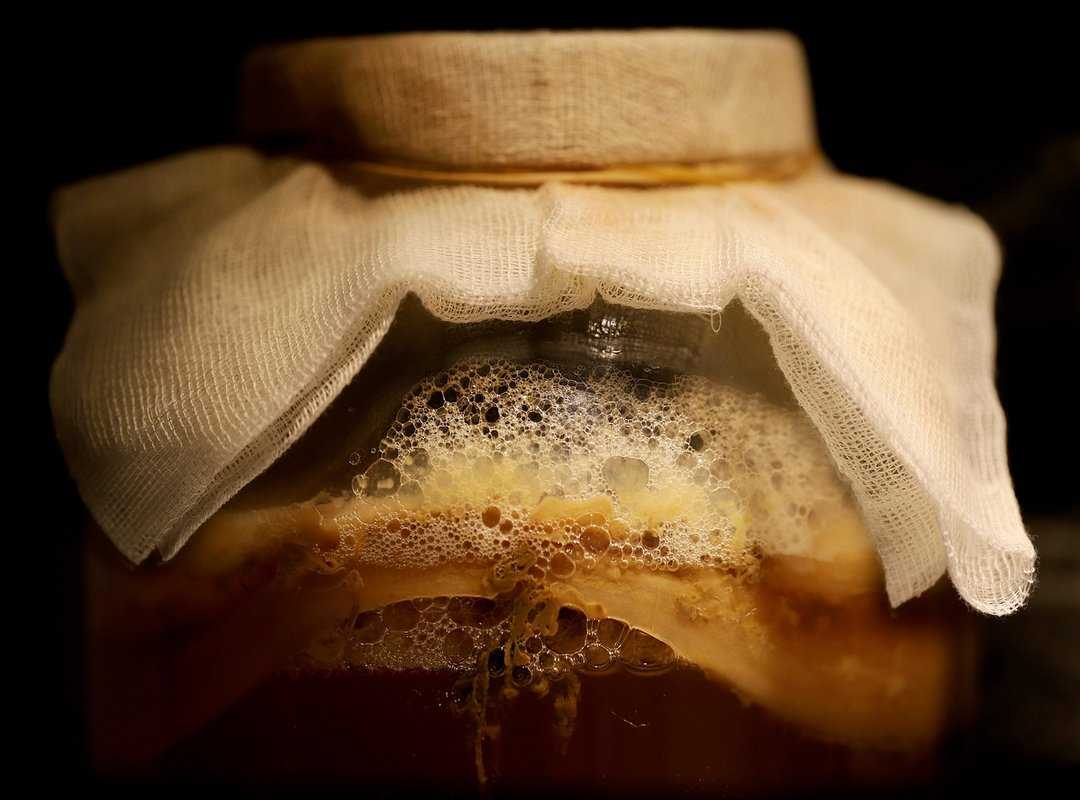
These aren’t just your average “dairy-free” options. We’re seeing cashew-based “brie” and almond “feta” that develop rinds and funky flavors through specific aging processes. They’re not just substitutes; they rival traditional cheeses.
And let’s not forget koji. This mold is a game-changer. Known for its use in sake and miso, chefs are now using it to “cure” vegetables.
Imagine biting into koji-cured carrots with a sweet, savory, and umami punch. It’s culinary magic, plain and simple.
Even tempeh is getting in on this flavor revolution. It’s no longer just that block sitting in the health-food aisle. It’s transformed into plant-based charcuterie, smoky “bacon,” and savory crumbles for pasta sauces.
It’s remarkable how far we’ve come with these plant-based cooking trends.
Water kefir and kombucha aren’t just for sipping, either. They’re sneaking into marinades and tangy sauces, adding an unexpected layer of effervescent flavor. Who would have thought, right?
If you’re curious about how to use these techniques for yourself, consider diving into some top cooking classes that boost skills. They’ll open doors to new culinary adventures. Fermentation is more than a trend; it’s a bold move into the future of flavor.
And trust me, your taste buds will thank you.
Sweet Deception: Decadent Plant-Based Desserts
When I first heard about plant-based desserts, I thought, “Great, more fruit salad.” But boy, was I wrong. The game has changed. It’s all about richness and texture now, not just a bowl of berries.
Let’s talk about aquafaba. This chickpea brine is like magic. Whip it up and you’ve got meringues and mousses that feel like clouds.
It’s not just a substitute; it’s a revelation. Then there’s avocado. Who knew it could make cheesecakes creamy?
Add coconut cream and silken tofu into the mix, and you’ve got desserts that defy logic. Pot de crème, anyone?
Sophisticated desserts are having their moment too. Vegan entremets, with layers of mousse, cake, and glaze, are stealing the show. And don’t get me started on plant-based tiramisu.
It mimics the real deal so well, you’d forget it’s vegan.
Chocolate work in plant-based cooking trends is another beast entirely. Chefs are crafting bonbons and tortes that are so indulgent, you’ll question everything you knew about vegan food. High-quality cocoa paired with alternative fats makes for a chocolate experience that’s nothing short of divine.
It’s a shift in mindset. We’re not settling for less. We’re demanding more from our desserts, and frankly, we’re getting it.
The best part? These desserts aren’t just “good for being vegan.” They’re just exceptional. Period.
So next time someone offers you a plant-based dessert, dive in. You might just find it’s better than the original. Now, who wants a slice?
Dive Into Flavorful Adventures
So, there you have it. Your leap into the lively world of modern plant-based cuisine starts now. Forget the tired myth that these meals are dull or restrictive.
They’re anything but. With plant-based cooking trends at the helm, we’re embracing global flavors and new methods. These aren’t just meals; they’re pure indulgence.
Ready to shake things up in your kitchen? Pick one trend from this article. Try a new mushroom variety, snag some miso paste, or whip up an aquafaba meringue.
Experiment and explore. Trust me, the journey will taste as good as it sounds.

 Thomason Perezanier is the kind of writer who genuinely cannot publish something without checking it twice. Maybe three times. They came to culinary pulse through years of hands-on work rather than theory, which means the things they writes about — Culinary Pulse, Cooking Hacks and Kitchen Tricks, Regional Taste Deep Dives, among other areas — are things they has actually tested, questioned, and revised opinions on more than once.
That shows in the work. Thomason's pieces tend to go a level deeper than most. Not in a way that becomes unreadable, but in a way that makes you realize you'd been missing something important. They has a habit of finding the detail that everybody else glosses over and making it the center of the story — which sounds simple, but takes a rare combination of curiosity and patience to pull off consistently. The writing never feels rushed. It feels like someone who sat with the subject long enough to actually understand it.
Outside of specific topics, what Thomason cares about most is whether the reader walks away with something useful. Not impressed. Not entertained. Useful. That's a harder bar to clear than it sounds, and they clears it more often than not — which is why readers tend to remember Thomason's articles long after they've forgotten the headline.
Thomason Perezanier is the kind of writer who genuinely cannot publish something without checking it twice. Maybe three times. They came to culinary pulse through years of hands-on work rather than theory, which means the things they writes about — Culinary Pulse, Cooking Hacks and Kitchen Tricks, Regional Taste Deep Dives, among other areas — are things they has actually tested, questioned, and revised opinions on more than once.
That shows in the work. Thomason's pieces tend to go a level deeper than most. Not in a way that becomes unreadable, but in a way that makes you realize you'd been missing something important. They has a habit of finding the detail that everybody else glosses over and making it the center of the story — which sounds simple, but takes a rare combination of curiosity and patience to pull off consistently. The writing never feels rushed. It feels like someone who sat with the subject long enough to actually understand it.
Outside of specific topics, what Thomason cares about most is whether the reader walks away with something useful. Not impressed. Not entertained. Useful. That's a harder bar to clear than it sounds, and they clears it more often than not — which is why readers tend to remember Thomason's articles long after they've forgotten the headline.