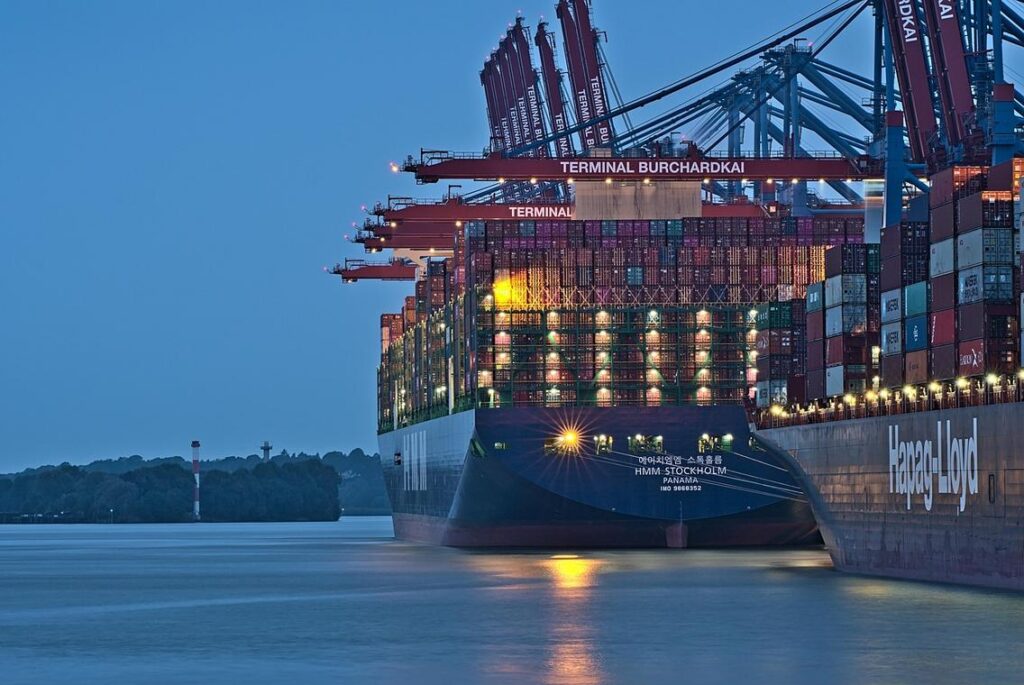
From the Spice Routes to the Sea: A Wider Look at Production
For centuries, spices traveled ancient trade routes like edible gold. Today, however, that romance collides with climate reality. Take vanilla—primarily grown in Madagascar. This delicate orchid requires hand pollination and precise humidity. A single cyclone can wipe out large portions of a harvest, triggering global price spikes (vanilla prices surpassed $600 per kilogram after Cyclone Enawo in 2017, according to market reports from Reuters). Saffron, often called “red gold,” is equally fragile; minor temperature shifts can slash yields dramatically.
Some argue markets naturally stabilize over time. That’s partially true. Yet short-term volatility reshapes menus, supply chains, and accessibility. If you cook often, consider diversifying your pantry—try cardamom or smoked paprika when vanilla or saffron prices surge (pro tip: blends can soften cost shocks without sacrificing flavor).
Seafood and Ocean Acidification
Meanwhile, oceans absorb about 30% of global CO₂ emissions (NOAA), increasing acidity—a process called ocean acidification, which weakens shellfish and disrupts marine food chains. Warmer waters also shift fish migration patterns, affecting availability and safety.
| Ingredient | Climate Pressure | Result |
|---|---|---|
| Vanilla | Cyclones |
Price spikes |
| Saffron | Heat waves | Lower yield |
| Oysters | Acidification | Weaker shells |
| Salmon | Warmer waters | Migration shifts |
In light of climate impact on ingredients, choose sustainably certified seafood and experiment with underutilized local fish. Interestingly, these shifts also influence fusion cuisine trends when culinary borders disappear, as chefs adapt to changing supply.
Finally, remember the human element. Farmers and fishing communities absorb the first shock. Supporting fair-trade spices and responsible fisheries isn’t just ethical—it stabilizes the flavors we love (because no one wants a future without vanilla ice cream).
A More Conscious Culinary Future
We’ve explored the tangible ways our changing environment is reshaping the sourcing and flavor of the ingredients we cherish most. From shifting harvest seasons to subtle changes in taste and texture, the reality of climate impact on ingredients is no longer distant—it’s already on our plates.
The connection between our climate and our kitchen is direct and undeniable. It influences what’s available at the market, why prices fluctuate, and why your favorite dish may not taste quite the same as it once did. Ignoring that link only makes cooking more frustrating and less predictable.
But understanding it changes everything.
When you recognize how climate shapes your pantry, you gain the power to adapt. You can explore resilient crops, experiment with new regional staples, and make thoughtful sourcing decisions that protect both flavor and future supply.
You came here to understand how environmental change affects what you cook and eat. Now you see the full picture—and what’s at stake.
Here’s your next step: try one new climate-resilient ingredient this week or ask your local grocer where your favorite products are sourced. Small, informed choices today can protect the flavors you love tomorrow.

 Jaredricons Jordan writes the kind of cultural cuisine explorations content that people actually send to each other. Not because it's flashy or controversial, but because it's the sort of thing where you read it and immediately think of three people who need to see it. Jaredricons has a talent for identifying the questions that a lot of people have but haven't quite figured out how to articulate yet — and then answering them properly.
They covers a lot of ground: Cultural Cuisine Explorations, Hidden Gems, Culinary Pulse, and plenty of adjacent territory that doesn't always get treated with the same seriousness. The consistency across all of it is a certain kind of respect for the reader. Jaredricons doesn't assume people are stupid, and they doesn't assume they know everything either. They writes for someone who is genuinely trying to figure something out — because that's usually who's actually reading. That assumption shapes everything from how they structures an explanation to how much background they includes before getting to the point.
Beyond the practical stuff, there's something in Jaredricons's writing that reflects a real investment in the subject — not performed enthusiasm, but the kind of sustained interest that produces insight over time. They has been paying attention to cultural cuisine explorations long enough that they notices things a more casual observer would miss. That depth shows up in the work in ways that are hard to fake.
Jaredricons Jordan writes the kind of cultural cuisine explorations content that people actually send to each other. Not because it's flashy or controversial, but because it's the sort of thing where you read it and immediately think of three people who need to see it. Jaredricons has a talent for identifying the questions that a lot of people have but haven't quite figured out how to articulate yet — and then answering them properly.
They covers a lot of ground: Cultural Cuisine Explorations, Hidden Gems, Culinary Pulse, and plenty of adjacent territory that doesn't always get treated with the same seriousness. The consistency across all of it is a certain kind of respect for the reader. Jaredricons doesn't assume people are stupid, and they doesn't assume they know everything either. They writes for someone who is genuinely trying to figure something out — because that's usually who's actually reading. That assumption shapes everything from how they structures an explanation to how much background they includes before getting to the point.
Beyond the practical stuff, there's something in Jaredricons's writing that reflects a real investment in the subject — not performed enthusiasm, but the kind of sustained interest that produces insight over time. They has been paying attention to cultural cuisine explorations long enough that they notices things a more casual observer would miss. That depth shows up in the work in ways that are hard to fake.