You’ve pulled soggy fries out of the fryer again.
Or watched the coating slide right off your chicken like wet paper.
I know. I’ve done it too. More times than I’ll admit.
Why does frying feel like gambling every time? Burnt outside. Raw inside.
Greasy as hell.
This Frying Infoguide Fhthrecipe fixes that.
I’ve fried in commercial kitchens and home apartments. Tested oil temps, batters, and timing across hundreds of batches.
No theory. Just what works.
By the end, you’ll know why 350°F matters. Why double-frying changes everything. Why your batter fails.
And how to stop it.
You won’t just follow steps. You’ll understand them.
And you’ll get crispy food. Every. Single.
Time.
The Oil Truth: Smoke Point Rules Everything
I burned my first batch of fries because I ignored smoke point. It’s the smoke point. Not flavor, not price, not what your aunt swears by.
That temperature where oil starts to shiver, then whisper, then scream smoke? That’s your hard stop.
Go past it and you’re not frying. You’re making acrid fumes and toxic compounds. (Yes, that bitter smell is bad news.
And yes, it ruins your food.)
Here’s what I actually use. No fluff:
- Canola: 400°F. Neutral. Cheap. Good for everyday fries.
- Peanut: 450°F. Slightly nutty. Holds up in a deep fryer all day.
- Avocado: 520°F. Expensive. Worth it for high-heat searing (not) daily frying.
- Vegetable (soy/corn blend): 400 (450°F.) Inconsistent. Skip it unless it’s all you’ve got.
Temperature control isn’t optional. It’s physics. Too cold (oil) soaks into food like a sponge.
You get greasy, soggy, heavy messes. Too hot. Outside chars before the inside warms.
You bite into black crust and raw center.
Ideal range? 350. 375°F. Not 349. Not 376.
That narrow band is where magic happens.
No thermometer? Try the wooden spoon test. Dip the handle in.
Steady stream of small bubbles = ready. Or drop a ½-inch cube of bread in. It browns in exactly 60 seconds?
You’re golden.
I track temp with a cheap candy thermometer clipped to the pot. $8. Lifesaver. The this guide section on frying has this exact setup laid out (no) jargon, just what works.
Cold oil lies to you. It looks calm. It’s not.
Hot oil lies too. Shimmering like it’s ready when it’s actually screaming.
Frying Infoguide Fhthrecipe taught me that the difference between crisp and limp is often just five degrees.
And five degrees is easier to hit than you think.
Turn the heat down before you add food. Let it recover. Watch the bubbles.
Trust your eyes more than your intuition.
You’ll know it’s right when the food sizzles (not) hisses, not sighs. But sizzles.
The Four Core Frying Techniques Explained
I’ve burned more pans than I care to admit.
Most of them happened because I treated all frying like it was the same thing.
It’s not.
Sautéing/Stir-Frying
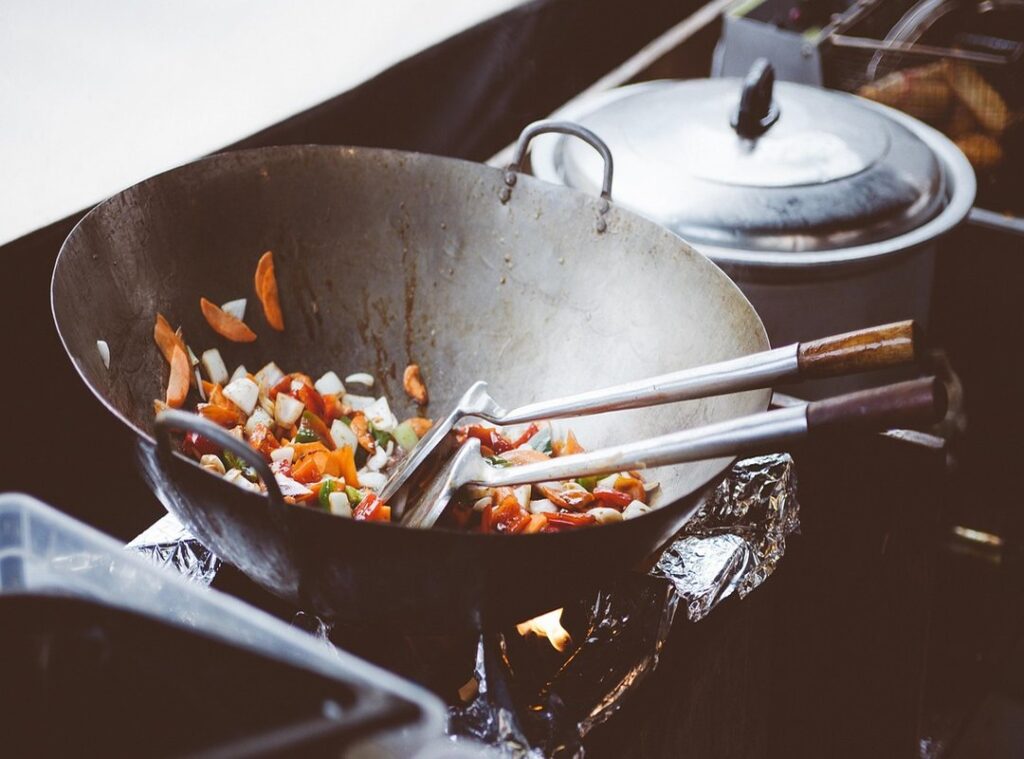
This is high heat, low oil, and constant motion.
You’re not cooking food (you’re) coaxing color and flavor out of it in under five minutes.
Tender vegetables? Yes. Thin meat strips? Absolutely.
Overcrowd the pan? You’ll steam instead of sear.
That’s why I keep my wok hot and my ingredients dry.
Sautéing fails fast if you hesitate.
Pan-Frying
Medium-high heat. Oil about ¼ inch deep.
Chicken cutlets. Fish fillets. Pork chops.
If you don’t hear that sharp hiss when the food hits the pan, your oil isn’t ready.
I test it with a breadcrumb (if) it bubbles fiercely, go.
No guesswork. No patience required.
Shallow-Frying
Oil comes halfway up the food. Not more. Not less.
Schnitzel. Crab cakes. Zucchini fritters.
Too hot and the crust burns before the center cooks.
Too cool and it soaks up oil like a sponge.
I use a thermometer. Always.
350°F is my sweet spot. Every time.
Deep-Frying
Food disappears into the oil. Fully submerged.
French fries. Doughnuts. Fried chicken that stays juicy inside.
A heavy-bottomed Dutch oven beats a flimsy pot every time.
And fry in small batches.
Big batches drop the oil temp. And that’s how you get greasy, soggy disasters.
I learned this the hard way with a batch of churros that tasted like fried lard.
You want more technique breakdowns? The Baking Infoguide covers similar fundamentals. But for ovens, not oil.
Same no-fluff approach. Same real-world testing.
Frying isn’t magic. It’s physics and timing. Get the heat right.
Get the oil depth right. Then stop overthinking it.
Most people don’t fail because they lack skill. They fail because they skip the temperature check. Or crowd the pan.
Or use the wrong pot.
I still check the oil temp twice.
Every time.
The Crunch Test: Flour, Egg, Crumb. And Not Burning Your House
I bread chicken the same way every time. Flour first. Then egg wash.
Then breadcrumbs.
That order isn’t tradition. It’s physics. Flour sticks to damp meat.
Egg sticks to flour. Breadcrumbs stick to egg. Skip a step?
You’ll get patchy crunch (or) worse, loose crumbs in the fryer.
Dry breading works for things you want crisp and light. Think chicken tenders or zucchini fries. Cornmeal gives grit.
Panko gives air. They all need that three-step grip.
Wet batters are different. Tempura coats delicate fish without weighing it down. Beer batter puffs up around onion rings.
You dip straight into the batter. No flour prep needed. It’s faster.
But it’s also messier. And it doesn’t stick as long if you’re prepping ahead.
Here’s what nobody tells you about frying safety: oil doesn’t warn you. It just catches fire.
Never walk away from hot oil. Not even to grab salt. Not even to answer the door.
Pat food dry. really dry (before) it hits the oil. One drop of water makes oil spit like an angry cat. I’ve got the forearm scar to prove it.
And if the oil flames up? Never use water. Water explodes on contact. Grab a metal lid and smother it.
Or dump baking soda on it. That’s it. No exceptions.
I once watched someone throw a glass of water into a flaming wok. The fireball hit the ceiling. We ate takeout that night.
You don’t need fancy gear. Just a heavy pot, a thermometer (yes, really), and respect for how fast things go wrong.
If you’re new to this, start with something simple. Like fried green tomatoes. Get the rhythm.
Feel the sizzle. Learn the smell of oil at 350°F.
Then move up.
The Cooking Infoguide covers this exact progression. Including how to spot when your oil is tired and needs changing.
Frying Infoguide Fhthrecipe isn’t about perfection. It’s about control. And not setting off the fire alarm.
Fry It Right Tonight
I’ve seen that look. The one you get when the oil spits back at you. When the chicken turns soggy instead of crisp.
That fear? It’s real. And it’s stupidly fixable.
You don’t need fancy gear or secret recipes. You need Frying Infoguide Fhthrecipe (the) four techniques, the oil rules, the temp checks. All of it laid bare.
No more greasy disappointment. No more guessing.
Pick one method tonight. Just one. Pan-frying.
That’s it.
Do it. Taste it. Feel that crunch.
You’ll know in three minutes whether this works.
Spoiler: it does.
Most people wait for “someday” to fry well. You’re not most people.
Grab the pan. Heat the oil. Try it.
The perfect golden-brown crunch is now within your reach.

 Thomason Perezanier is the kind of writer who genuinely cannot publish something without checking it twice. Maybe three times. They came to culinary pulse through years of hands-on work rather than theory, which means the things they writes about — Culinary Pulse, Cooking Hacks and Kitchen Tricks, Regional Taste Deep Dives, among other areas — are things they has actually tested, questioned, and revised opinions on more than once.
That shows in the work. Thomason's pieces tend to go a level deeper than most. Not in a way that becomes unreadable, but in a way that makes you realize you'd been missing something important. They has a habit of finding the detail that everybody else glosses over and making it the center of the story — which sounds simple, but takes a rare combination of curiosity and patience to pull off consistently. The writing never feels rushed. It feels like someone who sat with the subject long enough to actually understand it.
Outside of specific topics, what Thomason cares about most is whether the reader walks away with something useful. Not impressed. Not entertained. Useful. That's a harder bar to clear than it sounds, and they clears it more often than not — which is why readers tend to remember Thomason's articles long after they've forgotten the headline.
Thomason Perezanier is the kind of writer who genuinely cannot publish something without checking it twice. Maybe three times. They came to culinary pulse through years of hands-on work rather than theory, which means the things they writes about — Culinary Pulse, Cooking Hacks and Kitchen Tricks, Regional Taste Deep Dives, among other areas — are things they has actually tested, questioned, and revised opinions on more than once.
That shows in the work. Thomason's pieces tend to go a level deeper than most. Not in a way that becomes unreadable, but in a way that makes you realize you'd been missing something important. They has a habit of finding the detail that everybody else glosses over and making it the center of the story — which sounds simple, but takes a rare combination of curiosity and patience to pull off consistently. The writing never feels rushed. It feels like someone who sat with the subject long enough to actually understand it.
Outside of specific topics, what Thomason cares about most is whether the reader walks away with something useful. Not impressed. Not entertained. Useful. That's a harder bar to clear than it sounds, and they clears it more often than not — which is why readers tend to remember Thomason's articles long after they've forgotten the headline.