
Indian food isn’t just curry, butter chicken, or naan. It’s much more. Why does everyone seem to think it’s just one thing?
That’s a misconception I can’t stand. Indian dishes regional differences are vast and fascinating. Each region has its own flavors, shaped by geography, history, and culture. I promise we’re diving deep.
Ever wondered why a dish tastes a certain way? You’ll understand soon.
I’ve spent countless hours exploring and tasting, and I’m sharing what I’ve learned. This isn’t just another food article. It’s a journey through India’s diverse culinary zones.
By the end, you’ll know the key distinctions but also the reasons behind them.
Trust me. You’ll see Indian cuisine in a whole new light, becoming a more knowledgeable food lover.
The Recipe for Diversity: Key Factors Shaping India’s Cuisine
You want to understand why Indian cuisine is so diverse? It’s about the core influences. Climate’s a big deal.
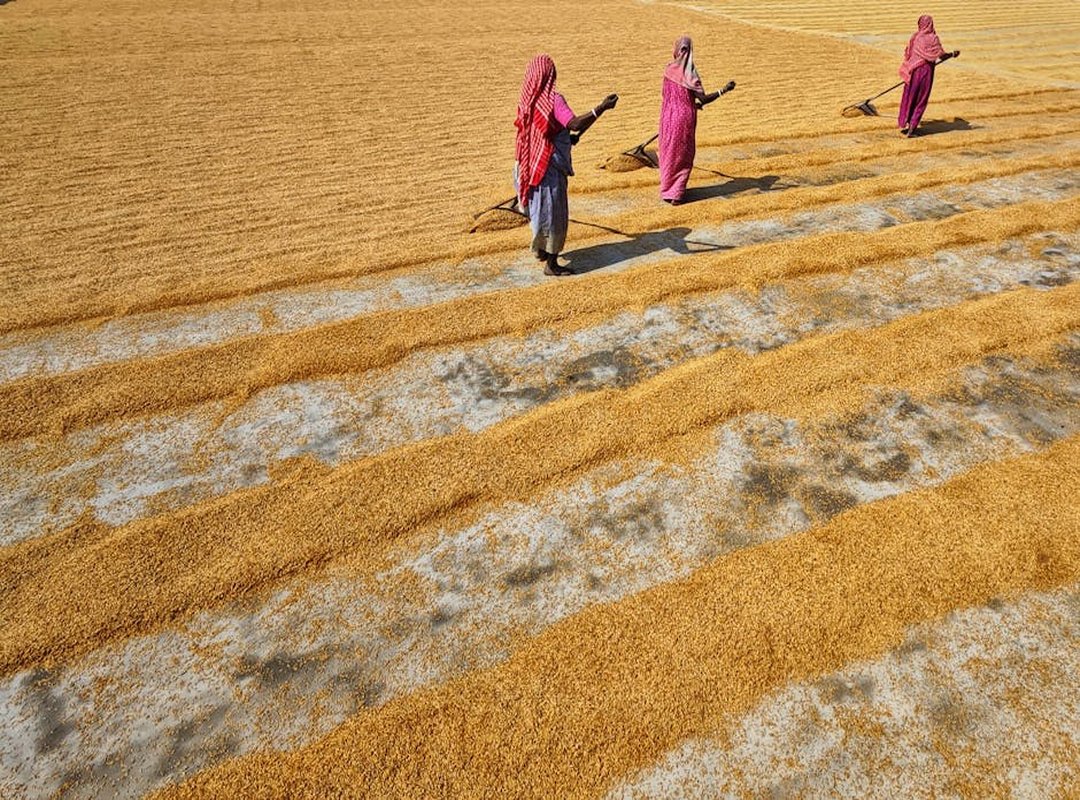
Northern India is perfect for growing wheat, which means breads like naan and roti are staples there. In the South, it’s rice and coconuts all the way. The climate’s hot and humid, perfect for these crops.
Imagine trying to grow rice in the north’s colder climate. Not ideal.
Historical influences can’t be ignored. The Mughals? They brought those rich, creamy dishes to the North.
Think tandoor-cooked kebabs. Meanwhile, the spice trade decided to make the South its playground. Chili peppers, cardamom, and other spices arrived via maritime routes, transforming Southern dishes into flavor explosions.
Religion and culture shape diets too. Jainism and Hinduism promote vegetarianism in places like Gujarat. But head to coastal regions or areas with Muslim or Christian populations, and you’ll find fish and meat more common.
These regional differences in Indian dishes are fascinating. They remind me a lot of how unique dishes in Louisiana creole cuisine came to be, blending local ingredients with diverse influences. The more you dig into these influences, the more you start to appreciate how every dish has a story.
Rajasthan’s arid climate has its own twist, with food relying on dried lentils and pickles that last forever. I mean, who wants to waste food in a desert?
And hey, knowing these stories makes eating even more enjoyable. Wouldn’t you agree?
Northern India: Wheat, Dairy, and Tandoor Magic
Northern India, where wheat is king. You’ve got your rotis, naans, and parathas ruling the table as primary carbs. It’s no surprise, given the vast wheat fields up there.
Rice? Not so much. Bread is what holds the meal together.
And let’s talk dairy. Everything from paneer to ghee to yogurt is mixed into their dishes. You can’t escape it.
And why would you want to? It gives that creamy texture you crave. The spices are what really set the scene.
Cumin, coriander, and garam masala aren’t just spices; they’re the backbone of North Indian cooking, creating that earthy, warm essence that lingers.
The tandoor is a game changer. It’s not just any oven; it’s a clay powerhouse for breads and smoky kebabs. You know the taste I’m talking about.
Speaking of Mughals, Butter Chicken (Murgh Makhani) epitomizes their influence with its rich, creamy tomato base. It’s like a warm hug in a dish. Dal Makhani and Chole Bhature are also iconic, showing the heavy use of lentils and chickpeas in the region.
It’s the Mughal legacy that really adds depth. The technique of ‘dum’ cooking, which is slow-cooking in a sealed pot, just makes everything richer.
They aren’t just meals; they’re experiences.
If you’re trying to grasp this, you might want to dive into more by understanding regional differences in traditional indian food. It’s fascinating how Indian dishes regional differences are shaped by geography and culture. Isn’t it?
Southern India: Rice, Coconuts, and Spice
When you think of Indian dishes regional differences, the contrast between the North and South is striking. In Southern India, rice isn’t just a side dish; it’s the cornerstone of every meal. Whether steamed or transformed into dosa or idli, rice is everywhere.
Now, let’s talk about flavors. Southern cooking thrives on its ‘holy trinity’: mustard seeds, curry leaves, and dried red chilies. These ingredients create a symphony of taste that’s hard to forget.
Coconut plays a big role too, showing up in milk, oil, and grated form. And tamarind? It’s the tangy twist that elevates many dishes.
The food here generally feels lighter yet packs a spicy punch. It’s a balance of tangy, spicy, and savory notes that dances on your palate. Ever tried sambar?
This lentil-based vegetable stew uses tamarind for its signature tang. Perfect with rice or dosas, it’s a staple that reflects the region’s agriculture beautifully.
Don’t even get me started on Masala Dosa. Crispy, flavorful, and a breakfast favorite. And Hyderabadi Biryani?
It’s a unique blend of North and South influences. Aromatic and rich, it showcases the regional fusion perfectly.
Curious about other indigenous flavors? You might want to explore indigenous flavors australian bush tucker to dive deeper into how regions shape their cuisines.
In Southern India, every meal is a story told through rice, coconuts, and spice. It’s a tale of tradition and bold flavors that leaves a lasting impression.
Coastal Flavors and Unique Traditions: East vs. West India
When it comes to Indian dishes, regional differences are not just interesting. They’re important. Let’s start with the West.
Gujarat’s all about those thalis. Ever had a plate with everything from sweet to savory without a shred of onion or garlic? Thank the Jains for that.
As you move to Goa, the Portuguese influence slaps you in the face (in a good way). Vindaloo, anyone? That’s pork, wine, and plenty of garlic, and it’s a bold dish that isn’t shy about its roots.
And don’t forget the seafood. There’s plenty of it.
Then, there’s Maharashtra. It’s like a culinary tug-of-war between coastal and interior flavors. Peanuts and sesame make frequent appearances.
The coast leans toward Malvani, where coconut and spice rule. Go inland, and things change. Less coconut, more groundnuts.
Shift to Eastern India, and it’s a whole new story. Bengal, for instance, thrives on mustard oil and panch phoron (a) five-spice mix that defines the cuisine. Ever tried cooking with mustard oil?
It’s an experience. And Hilsa fish? A must-try.
Trust me, Bengali sweets like Rasgulla are not overrated.
Head further east to the Northeastern states, and suddenly, spice takes a backseat. Nagaland and Assam offer flavors that are subtle but never boring. Bamboo shoots and fermented foods are all over the place.
Ever steamed food in bamboo? It’s as authentic as it gets.
Every region boasts its unique identity, making India’s culinary space diverse and delicious. Whether you’re drawn to the boldness of a Goan Vindaloo or the subtlety of Assamese pork, there’s always something new to explore. Curious yet?
You should be.
Dive Into Indian Culinary Diversity
Let’s face it, Indian cuisine is misunderstood. It’s not just curry and naan. It’s a mix of flavors, each region offering something unique.
Understanding Indian dishes regional differences isn’t just about the food. It’s about the climate and history shaping each dish. This is how you truly savor it.
Feeling overwhelmed by choices? Don’t be. Next time, step out of your comfort zone.
Order something new at the restaurant. Or better yet, cook a regional recipe at home. You’ll see the difference.
Want to dive deeper? Visit jalbiteblog.com.co. Your taste buds will thank you.

 Jaredricons Jordan writes the kind of cultural cuisine explorations content that people actually send to each other. Not because it's flashy or controversial, but because it's the sort of thing where you read it and immediately think of three people who need to see it. Jaredricons has a talent for identifying the questions that a lot of people have but haven't quite figured out how to articulate yet — and then answering them properly.
They covers a lot of ground: Cultural Cuisine Explorations, Hidden Gems, Culinary Pulse, and plenty of adjacent territory that doesn't always get treated with the same seriousness. The consistency across all of it is a certain kind of respect for the reader. Jaredricons doesn't assume people are stupid, and they doesn't assume they know everything either. They writes for someone who is genuinely trying to figure something out — because that's usually who's actually reading. That assumption shapes everything from how they structures an explanation to how much background they includes before getting to the point.
Beyond the practical stuff, there's something in Jaredricons's writing that reflects a real investment in the subject — not performed enthusiasm, but the kind of sustained interest that produces insight over time. They has been paying attention to cultural cuisine explorations long enough that they notices things a more casual observer would miss. That depth shows up in the work in ways that are hard to fake.
Jaredricons Jordan writes the kind of cultural cuisine explorations content that people actually send to each other. Not because it's flashy or controversial, but because it's the sort of thing where you read it and immediately think of three people who need to see it. Jaredricons has a talent for identifying the questions that a lot of people have but haven't quite figured out how to articulate yet — and then answering them properly.
They covers a lot of ground: Cultural Cuisine Explorations, Hidden Gems, Culinary Pulse, and plenty of adjacent territory that doesn't always get treated with the same seriousness. The consistency across all of it is a certain kind of respect for the reader. Jaredricons doesn't assume people are stupid, and they doesn't assume they know everything either. They writes for someone who is genuinely trying to figure something out — because that's usually who's actually reading. That assumption shapes everything from how they structures an explanation to how much background they includes before getting to the point.
Beyond the practical stuff, there's something in Jaredricons's writing that reflects a real investment in the subject — not performed enthusiasm, but the kind of sustained interest that produces insight over time. They has been paying attention to cultural cuisine explorations long enough that they notices things a more casual observer would miss. That depth shows up in the work in ways that are hard to fake.