
Imagine the smell of buttery croissants baking. It’s intoxicating, right? That’s what draws many of us into the world of French pastries.
The crackle of a crème brûlée, the delicate shell of a macaron (these) are the delights we all dream of mastering.
But let’s be honest. French pastries can feel intimidating. So many people start with enthusiasm only to get overwhelmed by the precision needed.
I’ve been there. I used to think only professionals could achieve that flaky perfection.
My own journey with French pastry began with a fear of failure. Over time, I discovered that precision isn’t a barrier. It’s a tool.
This French pastry beginners guide breaks down the process into simple steps. You’ll learn core techniques and important tools. By the end, you’ll have the confidence to create beautiful desserts at home.
The Pâtissier’s Mindset: Embracing Precision and Patience
French pastry isn’t just about ingredients. It’s a mindset. Think of ‘mise en place’ as your meditation.
Everything in its place. Before you even touch the flour, get organized. A cluttered space leads to a cluttered bake.
Let’s talk scales. A digital scale is your best friend in the kitchen. Forget about those inconsistent cups.
You can’t trust them! The precision of weighing ingredients is what separates a mediocre pastry from a masterpiece. Trust me, once you start, you’ll never look back.
Patience. That’s another key. Baking isn’t a sprint; it’s a slow dance.
Enjoy the process. Feel the dough in your hands. Listen to the whisking of cream.
It’s like meditation. You rush, you ruin.
Mistakes happen and that’s okay. A collapsed meringue or a cracked tart shell? Those are delicious lessons.
Each mistake teaches you something new. Next time, you’ll know better.
For those who love culinary history (like the history of Italian pasta), here’s a fascinating read. It’s all part of learning and loving food in all its forms.
Welcome to the world of French pastry. This is your beginners guide where patience and precision reign supreme.
Your Important Toolkit: 5 Must-Haves for Beginners
Starting out with French pastries? You don’t need a cluttered kitchen full of gadgets. Here’s what you truly need.
First up, a reliable digital kitchen scale. This is not just a tool, it’s your best friend. Measure ingredients with precision.
That’s how you gain confidence in baking. Trust me, eyeballing flour is a rookie mistake.
Next, grab a set of glass or metal mixing bowls. Why? Plastic retains oils, and that can mess up your meringues.
Nobody wants a deflated soufflé. Glass and metal are just better.
Now, let’s talk about a flexible silicone spatula and a balloon whisk. The spatula’s magic lies in scraping every last bit of batter. No waste here.
The whisk? It’s all about aerating creams and eggs efficiently. Ever tried whipping cream with a fork?
Don’t.
A heavy rolling pin, made of wood or marble, is next. Feel the weight in your hands. It does the hard work for you.
Rolling out delicate doughs becomes a breeze. You’ll wonder how you managed without it.
Lastly, invest in sturdy, light-colored baking sheets. Dark sheets can burn the bottom of your pastries. No one likes a singed croissant.
Light-colored metal promotes even baking, a godsend for a beginner.
For a deeper dive into these essentials, check out this breakdown. It’s a great reference for anyone tackling the French pastry beginners guide. Start here, and you’ll be whipping up eclairs in no time.
French Pastry Basics: Master These First
Learning the ABCs of French pastry feels like unlocking a secret code. It’s the foundation for any aspiring baker. Get the basics right, and you’re set for a culinary adventure.
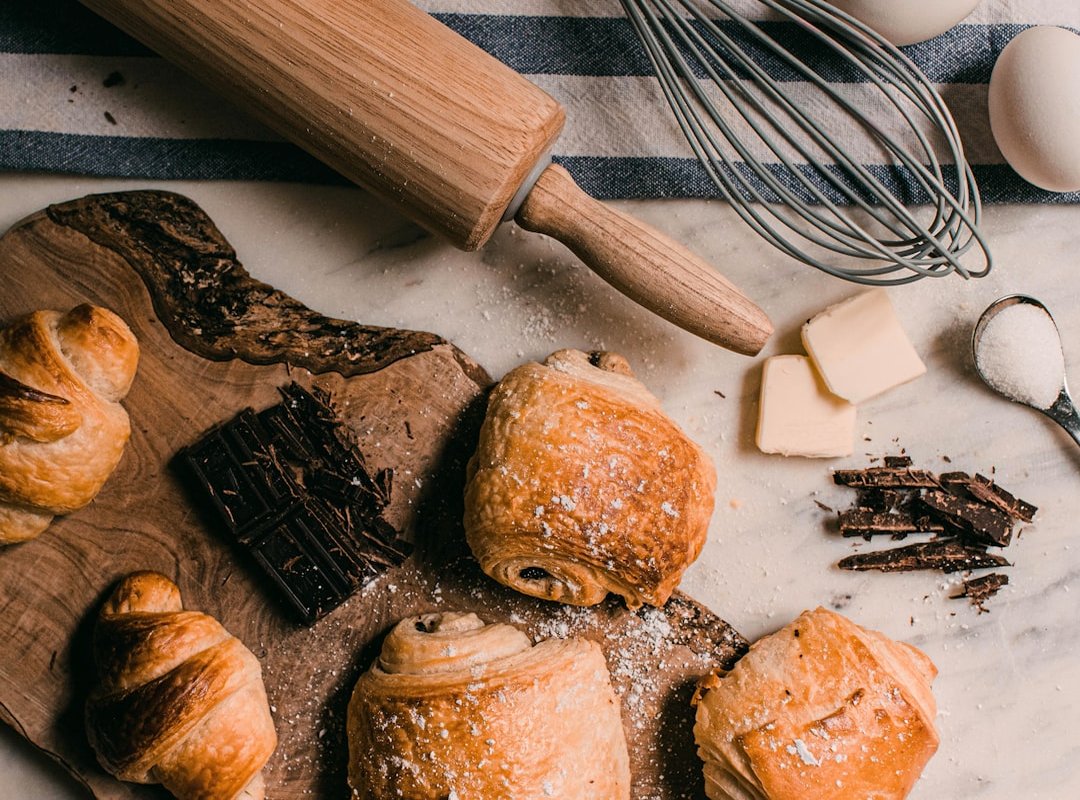
We start with Pâte Sablée. This sweet shortcrust pastry is all about the “sablage” method. You rub cold butter into flour until it resembles coarse sand. (Sounds weird, I know, but it works.) Suddenly, it transforms into a cohesive dough.
This magical feeling never gets old. Use it for tarts and biscuits. The texture is delicate, almost crumbly.
Perfect for those desserts that demand elegance.
Next up, Crème Pâtissière. This pastry cream is important and oh-so-decadent. Imagine tempering eggs into hot milk.
It’s a dance, really. You whisk and watch as it thickens into a rich, velvety custard. The scent of vanilla and warm milk fills the air.
It’s like a warm hug from the oven. It’s versatile too. Use it in eclairs, fruit tarts, or just eat it with a spoon (we all do it).
Finally, Meringue Française. Egg whites and sugar, that’s it. Simple yet big.
Whip them together and watch as foamy bubbles become soft peaks. Keep going until they’re stiff, glossy peaks defying gravity. It’s like watching a magic trick unfold.
The texture is light and airy. Perfect for pavlovas or topping pies. It’s a staple in the French pastry beginners guide.
These three pillars open up hundreds of recipes. They are your gateway to more complex creations. Imagine them as your trusty tools.
Like learning the scales before playing a concerto. With these skills, you can tackle anything from macarons to croissants.
And while you’re honing these skills, why not explore other cultural culinary traditions? Like Traditional Japanese Tea Ceremonies. Each tradition offers its own unique flavors and techniques.
Master these techniques first. They are your ticket to a world of pastry delight. Trust me, it’s worth the effort.
Once you get the hang of it, there’s no turning back. Your kitchen will never be the same.
Your First Creation: Lemon Tartlets
So you’re diving into the French pastry beginners guide. How exciting! This lemon tartlet is not just a recipe; it’s the moment where everything you’ve learned comes together.
You get to play with Pâte Sablée and Meringue, two classic techniques. Let’s break it down.
First, making the tart shells. Roll out your Pâte Sablée dough (keep) it cool, not too sticky. Press it into the tartlet pans.
Here’s a trick: If it cracks, don’t panic. Patch it with leftover dough. Bake until golden brown, which is a fantastic cue (you’ll know it when you see it).
The aroma alone is worth it (sweet) and buttery.
Now, the lemon filling. Whisk together lemon juice, sugar, and eggs. Cook this mixture over medium heat until it thickens.
It should coat the back of a spoon smoothly. Once done, pour it into the cooled tart shells. Let them set (patience, my friend).
Time for the meringue. Whip those egg whites until stiff peaks form. Spread it over your lemon-filled tartlets.
Toast it carefully under a broiler. You want the peaks to brown slightly, looking like tiny marshmallow rooftops.
Pro tip? Don’t walk away while toasting the meringue. It can burn in a flash.
And there you have it (a) simple, stunning lemon tartlet. Your creation. Savor each bite, and share it with those you love.
They’ll be impressed. Trust me.
Dive Into Your French Pastry Adventure
Ever feel lost in the seemingly complex world of French pastries? Here’s the secret: it’s all about mindset. Those perfect éclairs and tarts start with understanding the ‘why’ behind each step.
You don’t need to chase perfection. Savor the process. Feel that dough under your fingers, smell the custard simmering, and taste what you’ve made.
That’s the reward. Ready to start? Grab this French pastry beginners guide.
This weekend, try your hand at crème pâtissière. You’ll see. It’s easier than it looks.
Take the first delicious step. Embrace the journey, and let your senses lead the way.

 There is a specific skill involved in explaining something clearly — one that is completely separate from actually knowing the subject. Rendric Dornhaven has both. They has spent years working with cultural cuisine explorations in a hands-on capacity, and an equal amount of time figuring out how to translate that experience into writing that people with different backgrounds can actually absorb and use.
Rendric tends to approach complex subjects — Cultural Cuisine Explorations, Cooking Hacks and Kitchen Tricks, Regional Taste Deep Dives being good examples — by starting with what the reader already knows, then building outward from there rather than dropping them in the deep end. It sounds like a small thing. In practice it makes a significant difference in whether someone finishes the article or abandons it halfway through. They is also good at knowing when to stop — a surprisingly underrated skill. Some writers bury useful information under so many caveats and qualifications that the point disappears. Rendric knows where the point is and gets there without too many detours.
The practical effect of all this is that people who read Rendric's work tend to come away actually capable of doing something with it. Not just vaguely informed — actually capable. For a writer working in cultural cuisine explorations, that is probably the best possible outcome, and it's the standard Rendric holds they's own work to.
There is a specific skill involved in explaining something clearly — one that is completely separate from actually knowing the subject. Rendric Dornhaven has both. They has spent years working with cultural cuisine explorations in a hands-on capacity, and an equal amount of time figuring out how to translate that experience into writing that people with different backgrounds can actually absorb and use.
Rendric tends to approach complex subjects — Cultural Cuisine Explorations, Cooking Hacks and Kitchen Tricks, Regional Taste Deep Dives being good examples — by starting with what the reader already knows, then building outward from there rather than dropping them in the deep end. It sounds like a small thing. In practice it makes a significant difference in whether someone finishes the article or abandons it halfway through. They is also good at knowing when to stop — a surprisingly underrated skill. Some writers bury useful information under so many caveats and qualifications that the point disappears. Rendric knows where the point is and gets there without too many detours.
The practical effect of all this is that people who read Rendric's work tend to come away actually capable of doing something with it. Not just vaguely informed — actually capable. For a writer working in cultural cuisine explorations, that is probably the best possible outcome, and it's the standard Rendric holds they's own work to.