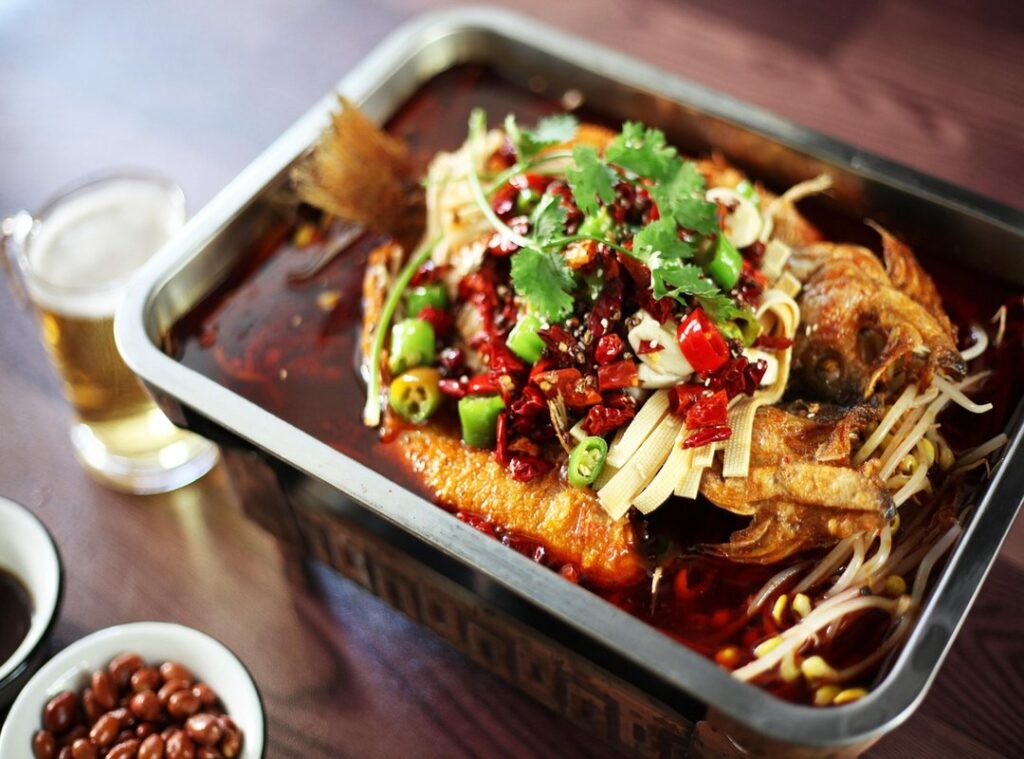
Think you know Sichuan cuisine flavors? Picture this: you sit down, expecting a mouthful of fire, only to discover a symphony of tastes. It’s not just about melting your face off.
Let me tell you, that’s a huge misconception. I once thought Sichuan was all about heat too. But I was wrong.
There’s an art to it, a balance (like) music, each note distinct yet harmonious.
My deep dive into regional Chinese cuisines opened my eyes. Imagine realizing you’ve been missing out on flavors that are subtle, bold, sometimes sweet. I promise you a new appreciation for this celebrated cuisine.
You’ll get a flavor map, a guide to truly understand the complexity, the layers. It’s not just spice. It’s an indulgent, sensory journey.
Ready to explore?
The Soul of Sichuan: Málà and Its Flavorful Symphony
Málà isn’t just a spice blend; it’s a full-on assault to your senses. Ever tried it? If so, you know what I mean. It’s the fiery heart of Sichuan cuisine, and it’s a sensation you won’t forget. “Má” brings that tingling, numbing shiver from Sichuan peppercorns. Then “Là” kicks in with the raw, fiery heat of chili peppers. Together, they create a unique harmony that’s both chaotic and addictive.
But here’s the kicker: Málà is just the beginning. You think Málà is intense? Wait until you meet its companions.
There’s this beautiful idea called “Fùhé Wèixíng” (复合味型). It means compound flavors. This is where Sichuan cuisine gets its reputation for complexity.
Think about it: the interplay of “Suān” (sour), “Tián” (sweet), “Xián” (salty), “Xiāng” (aromatic), and “Kǔ” (bitter). They dance around the Málà, creating a flavor profile that’s as changing as it is addictive. You could spend a lifetime exploring these Sichuan cuisine flavors and never get bored.
And speaking of diverse flavors, if you’re into culinary adventures, dive into indigenous flavors australian bush tucker. It’s another world of taste waiting to be explored.
Why settle for simple when you can have the whole orchestra? Sichuan cuisine is more than just heat; it’s a symphony of tastes. Ever felt like your taste buds were at a rock concert?
That’s what Sichuan does. It’s loud, it’s wild, and it’s unforgettable.
The Important Pantry: Building Blocks of Sichuan Flavor
Ever met the cast of characters that make Sichuan cuisine unforgettable? You can’t just talk about Sichuan cuisine flavors without introducing the stars of the show.
First up, the Málà Duo. Sichuan peppercorns, or Huā Jiāo, bring that famous tingly sensation. They don’t just make your tongue numb; they dance on it.
And then we have the chili peppers, especially the Facing Heaven variety. These chilies don’t just bring heat; they provide a fruity aroma that sets the stage.
Doubanjiang, the fermented broad bean paste, is the soul of Sichuan cooking. Its deep, savory punch is important. No wonder it’s revered.
Then there’s Douchi, those little fermented black beans. They add a mysterious depth, a bit like jazz in a culinary symphony. And let’s not forget Tianmianjiang, the sweet wheat paste.
It balances out all that funk with a touch of sweetness.
Aromatics are the supporting cast. You’ve got ginger, garlic, and scallions. Without them, you’d miss that fragrant backdrop.
But let me introduce you to the lesser-known stars. Star anise, cassia bark, and black cardamom. They add layers of complexity.
Think of them as the plot twists in a good novel.
Balance is key. It’s not all about overwhelming flavors. Chinkiang vinegar gives that important tang.
Shaoxing wine adds depth (and a hint of sophistication, if you ask me). And soy sauce? Well, it’s the saltiness that ties it all together.
So there you have it, the building blocks of Sichuan’s iconic taste. Each ingredient plays a role, creating a lively mix of flavors. And now you’ve met the cast that makes this cuisine so unique.
Hungry yet?
A Symphony of 23 Flavors: Unpacking the Taste Profiles
Let’s dive straight into the intriguing world of Sichuan cuisine flavors. It’s like learning the scales before composing a symphony. That’s what these Sichuan chefs do with their 23 flavor profiles.
Each profile is a note in a culinary masterpiece.
Take Yú Xiāng (Fish-Fragrant), for example. Despite the name, there’s no fish involved. Instead, it’s a harmony of sweet, sour, and savory.
It’s the pickled chilies, ginger, and garlic doing the magic here. You taste Yú Xiāng, and you get why it’s a staple.
Then there’s Guài Wèi (Strange/Exotic Flavor). It’s the wild one. Imagine salty meets sweet, then adds a punch of numbing spice.
It’s not just a taste; it’s an experience. This flavor is chaos controlled. You never quite know what you’ll get, but isn’t that the fun of it?
Move over to Hóng Yóu (Red Oil). The name might suggest heat, but it’s more about aroma. Picture the nutty fragrance of chili oil swirling around your senses.
It’s less about making you sweat and more about making you swoon. This flavor knows how to make an entrance without being overbearing.
And let’s not forget Lìzhī Wèi (Lychee Flavor). This one’s the sweet and sour hit. It’s lychee-like, but without the fruit.
You’ll find it in dishes like Kung Pao Chicken. It’s that classic blend of sweet and spicy that just works.
These profiles let dishes sing. Each flavor adds its own layer, creating a culinary mix that’s as varied as it is lively. Like a deep dive into Spain’s tapas culture reveals hidden gems, these Sichuan flavors open new worlds of taste.
When you savor them, you’re not just eating. You’re experiencing centuries of craft and tradition, and that’s something you can’t ignore.
Want more on flavor explorations? Check out this deep dive into Spain’s tapas culture. It’s all about expanding your palate’s horizons.
Tasting is Believing: Iconic Dishes and Their Flavor Signatures
You know, sometimes you just have to taste something to truly believe in it. Take Mapo Tofu. It’s not just tofu swimming in a sea of red.
It’s a full-on assault of ‘Málà’ (numbing and spicy) that leaves you wondering if your tongue just ran a marathon. The secret? Doubanjiang gives it that savory punch, while Douchi adds a subtle umami that rounds everything out.
It’s like a well-rehearsed orchestra playing a symphony on your taste buds.
Then there’s Kung Pao Chicken (Gōngbǎo Jīdīng). Forget the Westernized version that’s all sugar and peanuts. The real deal balances sweet, sour, and a hint of spice, creating that hard to find ‘Lìzhī Wèi’ (Lychee Flavor).
It’s a dish that tells you flat-out: Sichuan cuisine flavors are more complex than you think.
And let’s not ignore Dan Dan Noodles (Dàndàn Miàn). These noodles are bathed in ‘Hóng Yóu’ (Red Oil), with aromatic chili oil and nutty sesame paste making every bite a journey. Add in the crunch of preserved vegetables, and you’ve got a dish that’s hard to forget.
Each dish is a why tasting is believing.
Dive into a Sichuan Adventure
You’ve cracked the code of Sichuan cuisine flavors. It’s not just fiery heat; it’s about that beautiful dance of ‘Málà’ and 23 flavor profiles. No more feeling lost at the menu.
You’re ready. Find an authentic Sichuan spot near you or grab some Doubanjiang. Taste the world’s boldest cuisine at home.
Don’t just read about it, experience it firsthand. Transform your kitchen, and who knows? You might become the go-to Sichuan expert among friends.

 Thomason Perezanier is the kind of writer who genuinely cannot publish something without checking it twice. Maybe three times. They came to culinary pulse through years of hands-on work rather than theory, which means the things they writes about — Culinary Pulse, Cooking Hacks and Kitchen Tricks, Regional Taste Deep Dives, among other areas — are things they has actually tested, questioned, and revised opinions on more than once.
That shows in the work. Thomason's pieces tend to go a level deeper than most. Not in a way that becomes unreadable, but in a way that makes you realize you'd been missing something important. They has a habit of finding the detail that everybody else glosses over and making it the center of the story — which sounds simple, but takes a rare combination of curiosity and patience to pull off consistently. The writing never feels rushed. It feels like someone who sat with the subject long enough to actually understand it.
Outside of specific topics, what Thomason cares about most is whether the reader walks away with something useful. Not impressed. Not entertained. Useful. That's a harder bar to clear than it sounds, and they clears it more often than not — which is why readers tend to remember Thomason's articles long after they've forgotten the headline.
Thomason Perezanier is the kind of writer who genuinely cannot publish something without checking it twice. Maybe three times. They came to culinary pulse through years of hands-on work rather than theory, which means the things they writes about — Culinary Pulse, Cooking Hacks and Kitchen Tricks, Regional Taste Deep Dives, among other areas — are things they has actually tested, questioned, and revised opinions on more than once.
That shows in the work. Thomason's pieces tend to go a level deeper than most. Not in a way that becomes unreadable, but in a way that makes you realize you'd been missing something important. They has a habit of finding the detail that everybody else glosses over and making it the center of the story — which sounds simple, but takes a rare combination of curiosity and patience to pull off consistently. The writing never feels rushed. It feels like someone who sat with the subject long enough to actually understand it.
Outside of specific topics, what Thomason cares about most is whether the reader walks away with something useful. Not impressed. Not entertained. Useful. That's a harder bar to clear than it sounds, and they clears it more often than not — which is why readers tend to remember Thomason's articles long after they've forgotten the headline.