
When you think of traditional Indonesian architecture, the model rumah madura sampang might not be the first thing that comes to mind. But it should. This unique house design is a blend of form and function, perfectly suited for the tropical climate.
The iconic roof, shaped like a saddle or a boat hull, catches your eye. It’s not just for show. The steep pitch and traditional materials, like clay tiles or dried palm leaves, are designed to withstand heavy rains and provide shade.
Teakwood is the backbone of these houses. It’s used for the main pillars and structure, giving the house its strength and durability. Woven bamboo panels, or ‘gedhek,’ make up the walls.
They’re not just pretty; they allow for natural ventilation, keeping the inside cool.
One of the most striking features is the elevated structure. These houses are built on raised foundations or short stilts. Why?
It’s all about practicality. Flood protection and better air circulation are key benefits in a tropical setting.
The intricate carvings, or ‘ukiran,’ add a touch of artistry. You’ll see them on doors, window frames, and gables. Common motifs include floral patterns, vines, and even Arabic calligraphy.
These details reflect the local culture and beliefs.
Finally, the color palette is rich with meaning. Green symbolizes Islam and fertility, yellow represents prosperity, and red stands for bravery and life. Each color tells a story, adding depth to the overall design.
So, what makes the model rumah madura sampang so special? It’s a perfect blend of tradition, functionality, and beauty.
More Than a House: The Philosophy Behind the Design
When you think about a home, you might picture a single building. But in Madurese culture, a home is so much more. It’s a compound that embodies family, community, and tradition.
The core concept of this compound is the tanean lanjang or “long yard.” This central, shared yard is the heart of the family compound. Everything revolves around it.
Multiple buildings are arranged in a line facing this yard. There’s the main house for the parents, smaller houses for married children, a kitchen, and a prayer space. Each building has a specific role and function.
- Roma (main house): Where the parents live.
- Dhapor (kitchen): The center of daily activities and meals.
- Langgar or Musholla (prayer room): A space for religious devotion.
The layout is not just about practicality. It’s deeply rooted in cultural and social significance. The tanean lanjang reinforces family unity and respect for elders.
The patriarch’s house is typically at one end, symbolizing his leadership and authority.
Daily life is organized around these spaces. Meals are prepared in the dhapor, prayers are said in the langgar or musholla, and family gatherings happen in the tanean lanjang. This arrangement ensures that everyone stays connected and involved. model rumah madura sampang
The physical layout mirrors Madurese values. It’s not just a shelter; it’s a living embodiment of family hierarchy, social cohesion, and religious devotion. The model rumah madura sampang is a perfect example of this philosophy in action.
But here’s the thing. Not everything is set in stone. Different families might have slight variations based on their specific needs and traditions.
And that’s okay. The beauty of this design is its flexibility and adaptability.
In the end, the tanean lanjang and the entire compound are a testament to the Madurese way of life. They show how a home can be more than just a place to live. It’s a reflection of who you are and what you value.
Classic Madura Style Meets Modern Living
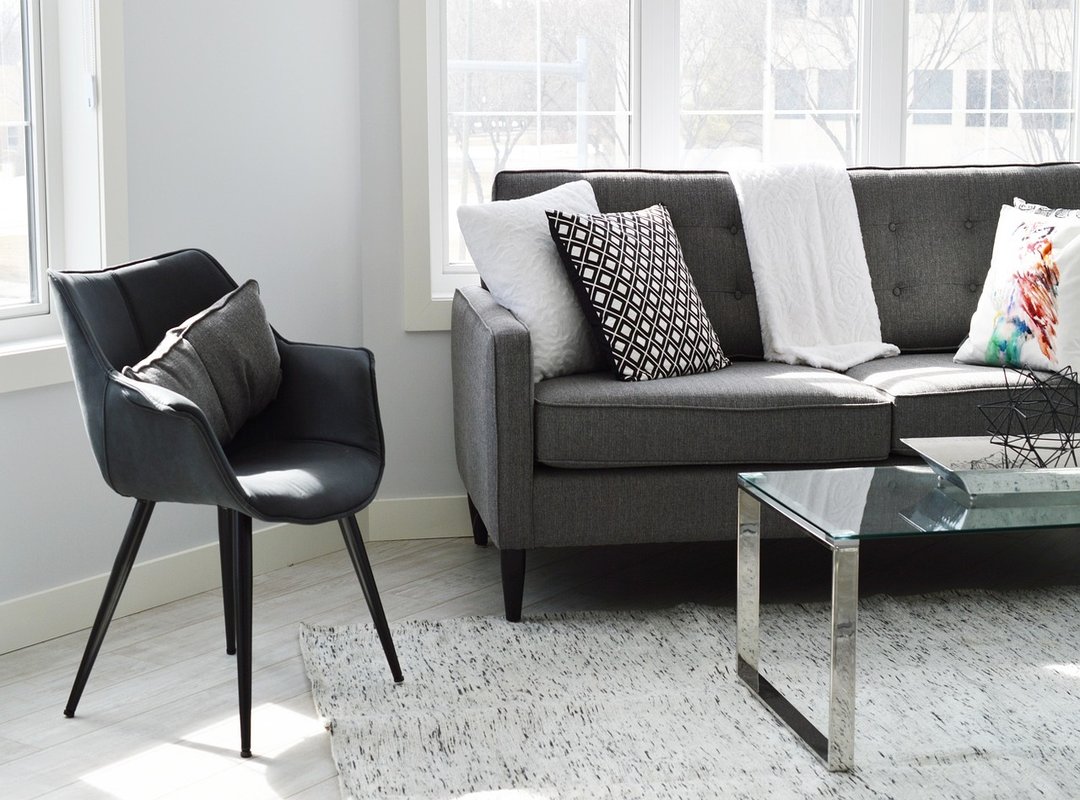
I love seeing how traditional and modern styles blend, especially in architecture. It’s not just about aesthetics; it’s about preserving cultural identity while embracing the comforts of contemporary living.
Take model rumah madura sampang, for example. Contemporary architects are integrating its high-pitched rooflines into sleek, modern concrete homes. The result?
A striking fusion that feels both timeless and fresh.
Inside, minimalist interiors might feature intricately carved wooden panels as a focal point. This adds a touch of authentic Madurese character without overwhelming the space.
Traditional materials like teak and bamboo are being used in innovative ways. They add warmth and texture, making a modern home feel more inviting and grounded.
The appeal of this hybrid style is clear. You get to keep your cultural roots while enjoying all the benefits of modern amenities and open-plan living.
So, how can you bring a bit of this style into your own home? Start with small touches. Add some carved wooden furniture or decorative wall art.
Or, consider adopting the vibrant color scheme typical of Madurese design. A few bold, colorful accents can transform a room and give it a unique, welcoming vibe.
Incorporating these elements doesn’t have to be complicated. Simple, thoughtful choices can make a big difference. And the best part?
Your home will tell a story of heritage and modernity, creating a space that truly feels like yours.
Exploring the model rumah madura sampang
This traditional architectural style embodies the rich cultural heritage of Madura. It is known for its unique design elements and practicality.

 Jaredricons Jordan writes the kind of cultural cuisine explorations content that people actually send to each other. Not because it's flashy or controversial, but because it's the sort of thing where you read it and immediately think of three people who need to see it. Jaredricons has a talent for identifying the questions that a lot of people have but haven't quite figured out how to articulate yet — and then answering them properly.
They covers a lot of ground: Cultural Cuisine Explorations, Hidden Gems, Culinary Pulse, and plenty of adjacent territory that doesn't always get treated with the same seriousness. The consistency across all of it is a certain kind of respect for the reader. Jaredricons doesn't assume people are stupid, and they doesn't assume they know everything either. They writes for someone who is genuinely trying to figure something out — because that's usually who's actually reading. That assumption shapes everything from how they structures an explanation to how much background they includes before getting to the point.
Beyond the practical stuff, there's something in Jaredricons's writing that reflects a real investment in the subject — not performed enthusiasm, but the kind of sustained interest that produces insight over time. They has been paying attention to cultural cuisine explorations long enough that they notices things a more casual observer would miss. That depth shows up in the work in ways that are hard to fake.
Jaredricons Jordan writes the kind of cultural cuisine explorations content that people actually send to each other. Not because it's flashy or controversial, but because it's the sort of thing where you read it and immediately think of three people who need to see it. Jaredricons has a talent for identifying the questions that a lot of people have but haven't quite figured out how to articulate yet — and then answering them properly.
They covers a lot of ground: Cultural Cuisine Explorations, Hidden Gems, Culinary Pulse, and plenty of adjacent territory that doesn't always get treated with the same seriousness. The consistency across all of it is a certain kind of respect for the reader. Jaredricons doesn't assume people are stupid, and they doesn't assume they know everything either. They writes for someone who is genuinely trying to figure something out — because that's usually who's actually reading. That assumption shapes everything from how they structures an explanation to how much background they includes before getting to the point.
Beyond the practical stuff, there's something in Jaredricons's writing that reflects a real investment in the subject — not performed enthusiasm, but the kind of sustained interest that produces insight over time. They has been paying attention to cultural cuisine explorations long enough that they notices things a more casual observer would miss. That depth shows up in the work in ways that are hard to fake.