Stuck in a cooking rut? Making the same meals over and over sounds familiar, right? It’s frustrating.
I get it. You want to do more than just follow recipes (like assembling IKEA furniture with ingredients). You want to understand food.
You want to create. Not just cook. I’ve spent years watching home cooks and chefs.
You know what helps most? Hands-on, guided learning. It’s big.
This article promises a clear roadmap. I’ll show you how cooking classes improve skills beyond just learning a new dish. These workshops open up specific skills.
From technical finesse to creative flair. It’s not about one more recipe. It’s about real growth in the kitchen.
You’re ready for that shift. Aren’t you? Dive in.
Discover the real power of immersive culinary experiences. You’ll see the difference.
Mastering the ‘Why’: Unlocking Core Cooking Techniques
I’ve always believed the biggest difference between a novice and an expert cook isn’t about knowing the “how” but truly grasping the “why.” If you’re only following recipes like a robot, it’s like speaking in phrases without understanding grammar. Cooking classes improve skills by focusing on foundational techniques (the) grammar of cooking. So you can write your own culinary stories.
Let’s talk about heat management. It’s not just about cranking the burner to high. Searing, sautéing, and sweating are worlds apart.
Understanding the details of heat is key for texture and flavor. Ever tried to sear a steak and ended up with a sad gray mess? It’s all in the heat control.
Now, emulsification might sound like something from a chemistry class (spoiler: it kind of is). Making a vinaigrette or hollandaise isn’t child’s play. But once you understand how and why those ingredients blend, it clicks.
Workshops break this down, demystifying the whole process.
Proper seasoning is another skill that separates the cooks from the chefs. It’s not about dumping salt at the end like an afterthought. It’s about layering flavors throughout the process. This approach transforms the dish into something magical.
Oh, and if you’re serious about upping your game, having the right tools matters too. Think about important kitchen gadgets home chefs. They make your life easier, and trust me, they boost the learning experience.
So, are cooking classes worth it? Absolutely. They build a foundation of skills that let you move beyond following recipes, turning your kitchen into a canvas.
Unlocking Your Palate: Mastering Flavor in Cooking
Ever wonder why some home-cooked meals just miss the mark? It’s not your recipe (it’s) your palate. For many home cooks, developing a sense of taste is an underappreciated skill.
This is where cooking classes improve skills by providing structured environments to hone your senses. You see, tasting isn’t just about identifying flavors; it’s about balancing them.
Let’s talk flavor balancing. There are five primary tastes: sweet, sour, salty, bitter, and umami. Workshops focus on teaching students to identify these in a dish.
Why? Because understanding how these tastes interact is key to great cooking. Imagine a rich, savory curry.
A chef might explain why a squeeze of lime (acid) can brighten it up, cutting through the fat and salt. It’s like magic, really.
Now, contrast this with herbs and spices. Most of us at home just toss in a pinch of this or that, hoping for the best. Workshops, however, teach you to understand flavor profiles and pairings.
Think of it as learning a new language (one) that helps you save a dish that’s going off the rails or adapt a recipe based on what’s in your pantry.
And let’s be honest, who doesn’t want to make a meal that wows? If you’re curious about how culinary skills can boost your life beyond the kitchen, this detailed guide links cooking to stress relief and academic performance. It’s not just about food; it’s about growth.
Pro tip: Next time you cook, take a moment to taste and think about what you’re experiencing. Ask yourself, is it balanced? This small step can lead to big improvements.
Cooking classes aren’t just for learning recipes; they’re for unlocking your palate.
From Kitchen to Culture: A Deeper Dive into Global Cuisine
Ever thought cooking classes were just about learning recipes? Wrong. They’re about diving headfirst into the heart of a culture.
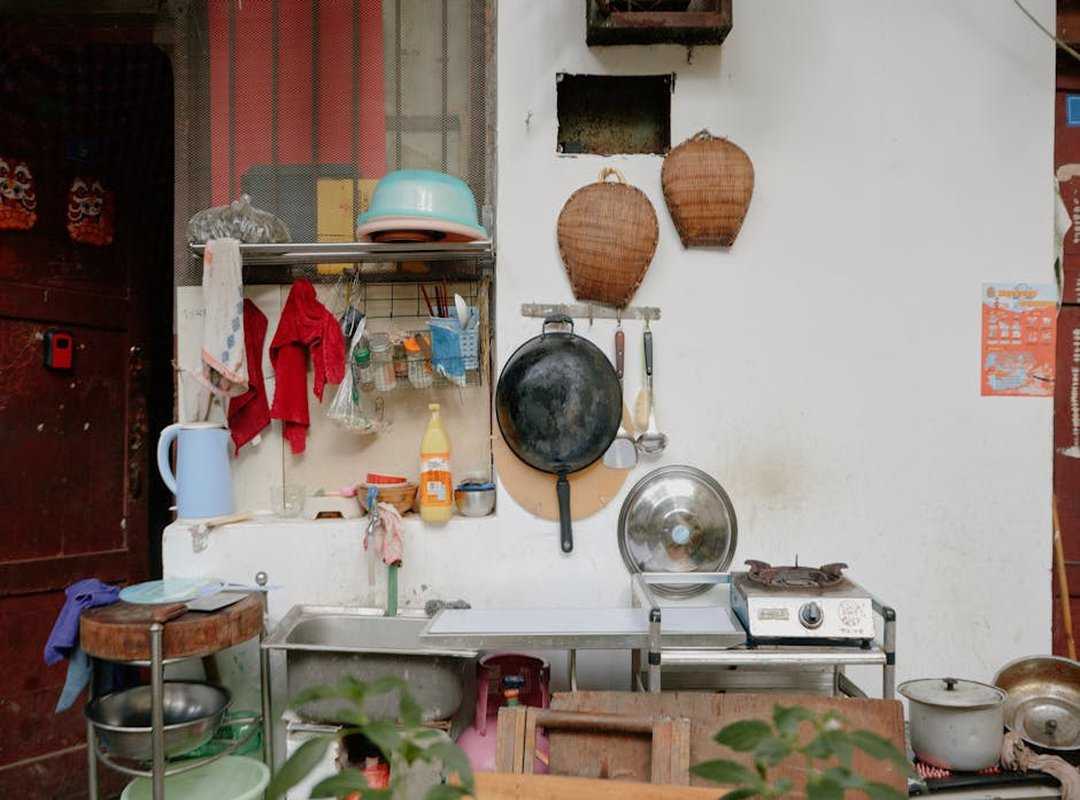
Take Mexican cuisine workshops, for instance. You don’t just learn to make mole (though that’s part of it). You get the whole package: regional variations, historical significance, the magic of specific chiles.
It’s like unlocking an entire world through a meal.
Why is this better than Googling recipes? Context. When you know the story behind a dish, you understand why certain ingredients matter.
It’s not just about following steps. It’s about grasping the essence of a culture. And when you travel, this knowledge changes everything.
You walk through markets with new eyes, seeing past the surface.
Here’s the kicker: cooking classes improve skills beyond technique. They boost your abilities by providing context. It’s about embodied knowledge.
Imagine visiting Mexico after taking a workshop. Suddenly, you’re not just a tourist. You’re someone who appreciates the layers behind each dish.
You don’t just eat; you savor.
Let’s be real. Reading a recipe online is convenient. But it’s like watching a movie without sound.
You miss the depth. A workshop immerses you (sights,) smells, tastes. All in one go.
And let’s not forget the practical side. Ever tried to choose the perfect chef’s knife? It’s key for any cooking adventure.
These workshops give you hands-on experience, which translates to real-life skills.
So next time you’re planning a trip or just want to spice up your cooking game, consider diving into a culinary workshop. It’s not just about cooking. It’s about connecting with the world through food.
And that’s something you can’t get from a screen.
Beyond the Classroom: Everyday Skills from Workshops
Ever wondered if you’ll actually use those workshop skills at home? I did too. But let me tell you, cooking classes improve skills in ways you wouldn’t expect.
It’s not just about speed, though. It’s about confidence. When you know what you’re doing, cooking becomes less of a chore and more of a joy.
Let’s start with efficiency. Proper knife skills and mise en place (fancy term for getting organized) make weeknight cooking faster. Who doesn’t want to chop veggies like a pro and have a meal ready in half the time?
Now, let’s talk about food waste. Workshops teach you to make stock from scraps. Imagine turning leftover chicken bones into a delicious broth.
Or learning preservation techniques that keep food fresh longer. It’s not just practical; it’s smart. And hey, ever thought about how much you throw away because you don’t know what to do with it?
Workshops fix that.
Creative meal planning is another perk. Understanding flavor pairings opens up a world of possibilities. No more boring meals.
You get to experiment. Mix cumin with sweet potatoes or try balsamic with strawberries. It’s like having a mini flavor lab in your kitchen.
These skills aren’t just for the classroom. They’re a long-term investment in your home cooking routine. So, when you’re considering a workshop, think beyond the immediate.
It’s not just a class. It’s a lifestyle upgrade.
Ignite Your Culinary Passion
Feeling stuck in the kitchen? We’ve all been there. Recipes can feel like chains.
Real growth? It happens when you dive into core techniques, taste with intent, and embrace food’s cultural roots. That’s why cooking classes improve skills.
They give you a solid, hands-on foundation. So, what’s next? Seek out a local or online workshop.
Pinpoint a technique you’ve always wanted to nail or a cuisine you’ve dreamt of exploring. It’s your chance to break free from those recipe chains. Don’t wait.
Dive into a class today and transform your culinary journey. The kitchen is calling. Answer it.

 Jaredricons Jordan writes the kind of cultural cuisine explorations content that people actually send to each other. Not because it's flashy or controversial, but because it's the sort of thing where you read it and immediately think of three people who need to see it. Jaredricons has a talent for identifying the questions that a lot of people have but haven't quite figured out how to articulate yet — and then answering them properly.
They covers a lot of ground: Cultural Cuisine Explorations, Hidden Gems, Culinary Pulse, and plenty of adjacent territory that doesn't always get treated with the same seriousness. The consistency across all of it is a certain kind of respect for the reader. Jaredricons doesn't assume people are stupid, and they doesn't assume they know everything either. They writes for someone who is genuinely trying to figure something out — because that's usually who's actually reading. That assumption shapes everything from how they structures an explanation to how much background they includes before getting to the point.
Beyond the practical stuff, there's something in Jaredricons's writing that reflects a real investment in the subject — not performed enthusiasm, but the kind of sustained interest that produces insight over time. They has been paying attention to cultural cuisine explorations long enough that they notices things a more casual observer would miss. That depth shows up in the work in ways that are hard to fake.
Jaredricons Jordan writes the kind of cultural cuisine explorations content that people actually send to each other. Not because it's flashy or controversial, but because it's the sort of thing where you read it and immediately think of three people who need to see it. Jaredricons has a talent for identifying the questions that a lot of people have but haven't quite figured out how to articulate yet — and then answering them properly.
They covers a lot of ground: Cultural Cuisine Explorations, Hidden Gems, Culinary Pulse, and plenty of adjacent territory that doesn't always get treated with the same seriousness. The consistency across all of it is a certain kind of respect for the reader. Jaredricons doesn't assume people are stupid, and they doesn't assume they know everything either. They writes for someone who is genuinely trying to figure something out — because that's usually who's actually reading. That assumption shapes everything from how they structures an explanation to how much background they includes before getting to the point.
Beyond the practical stuff, there's something in Jaredricons's writing that reflects a real investment in the subject — not performed enthusiasm, but the kind of sustained interest that produces insight over time. They has been paying attention to cultural cuisine explorations long enough that they notices things a more casual observer would miss. That depth shows up in the work in ways that are hard to fake.