Bringing Andean Nutrition to Your Kitchen
As we explore the rich tapestry of Andean ingredients that have been cherished as ancient superfoods, we can’t help but reflect on how these nutrient-dense treasures have also influenced the secret family recipes that shape local food traditions across South America – for more details, check out our Secret Family Recipes That Shaped Local Food Traditions.
I’ve noticed that many people want to eat healthier, but feel overwhelmed by vague labels and generic health claims.
You don’t just want “superfood” stamped on a package. You want to know what it actually does for your body—and whether it’s worth adding to your meals.
Now you understand the specific nutritional benefits of top Andean ingredients and how to recognize them in everyday products. Instead of guessing, you can make informed choices rooted in both tradition and science.
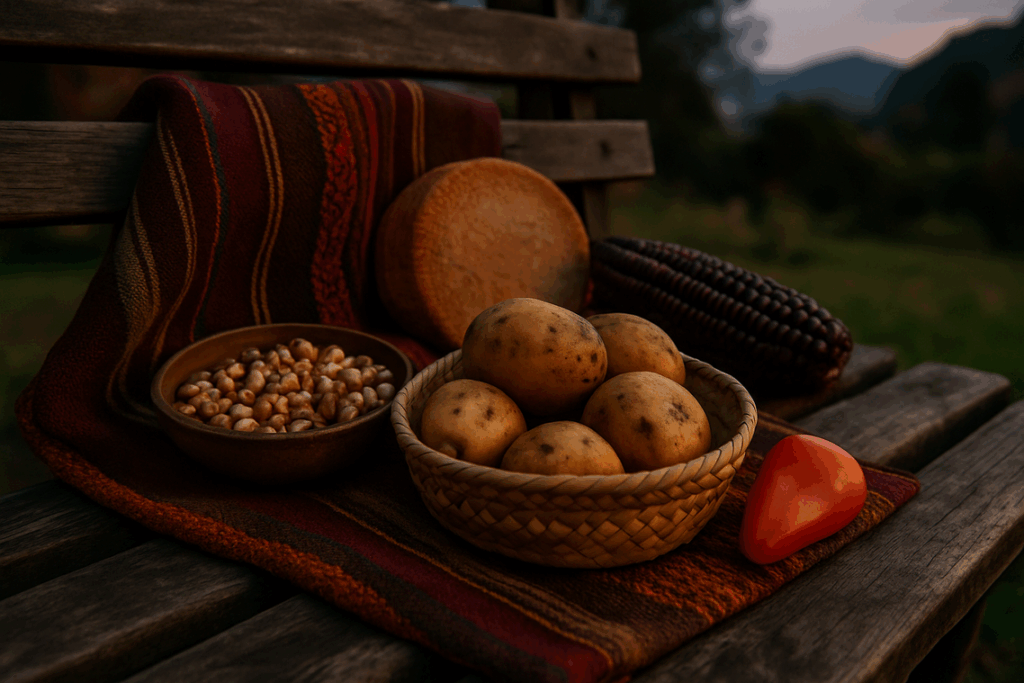
For centuries, Andean communities have relied on these nutrient-dense foods for strength and resilience. Today, modern research confirms the value of ingredients like quinoa, maca, or amaranth—each offering protein, fiber, and essential micronutrients that elevate simple dishes into functional meals.
Next time you shop, check the ingredient list for quinoa, maca, or amaranth. A small change in your cart can make a powerful difference on your plate.

 There is a specific skill involved in explaining something clearly — one that is completely separate from actually knowing the subject. Rendric Dornhaven has both. They has spent years working with cultural cuisine explorations in a hands-on capacity, and an equal amount of time figuring out how to translate that experience into writing that people with different backgrounds can actually absorb and use.
Rendric tends to approach complex subjects — Cultural Cuisine Explorations, Cooking Hacks and Kitchen Tricks, Regional Taste Deep Dives being good examples — by starting with what the reader already knows, then building outward from there rather than dropping them in the deep end. It sounds like a small thing. In practice it makes a significant difference in whether someone finishes the article or abandons it halfway through. They is also good at knowing when to stop — a surprisingly underrated skill. Some writers bury useful information under so many caveats and qualifications that the point disappears. Rendric knows where the point is and gets there without too many detours.
The practical effect of all this is that people who read Rendric's work tend to come away actually capable of doing something with it. Not just vaguely informed — actually capable. For a writer working in cultural cuisine explorations, that is probably the best possible outcome, and it's the standard Rendric holds they's own work to.
There is a specific skill involved in explaining something clearly — one that is completely separate from actually knowing the subject. Rendric Dornhaven has both. They has spent years working with cultural cuisine explorations in a hands-on capacity, and an equal amount of time figuring out how to translate that experience into writing that people with different backgrounds can actually absorb and use.
Rendric tends to approach complex subjects — Cultural Cuisine Explorations, Cooking Hacks and Kitchen Tricks, Regional Taste Deep Dives being good examples — by starting with what the reader already knows, then building outward from there rather than dropping them in the deep end. It sounds like a small thing. In practice it makes a significant difference in whether someone finishes the article or abandons it halfway through. They is also good at knowing when to stop — a surprisingly underrated skill. Some writers bury useful information under so many caveats and qualifications that the point disappears. Rendric knows where the point is and gets there without too many detours.
The practical effect of all this is that people who read Rendric's work tend to come away actually capable of doing something with it. Not just vaguely informed — actually capable. For a writer working in cultural cuisine explorations, that is probably the best possible outcome, and it's the standard Rendric holds they's own work to.